Kazakhstan's schools shift to hybrid learning amid new safety rules
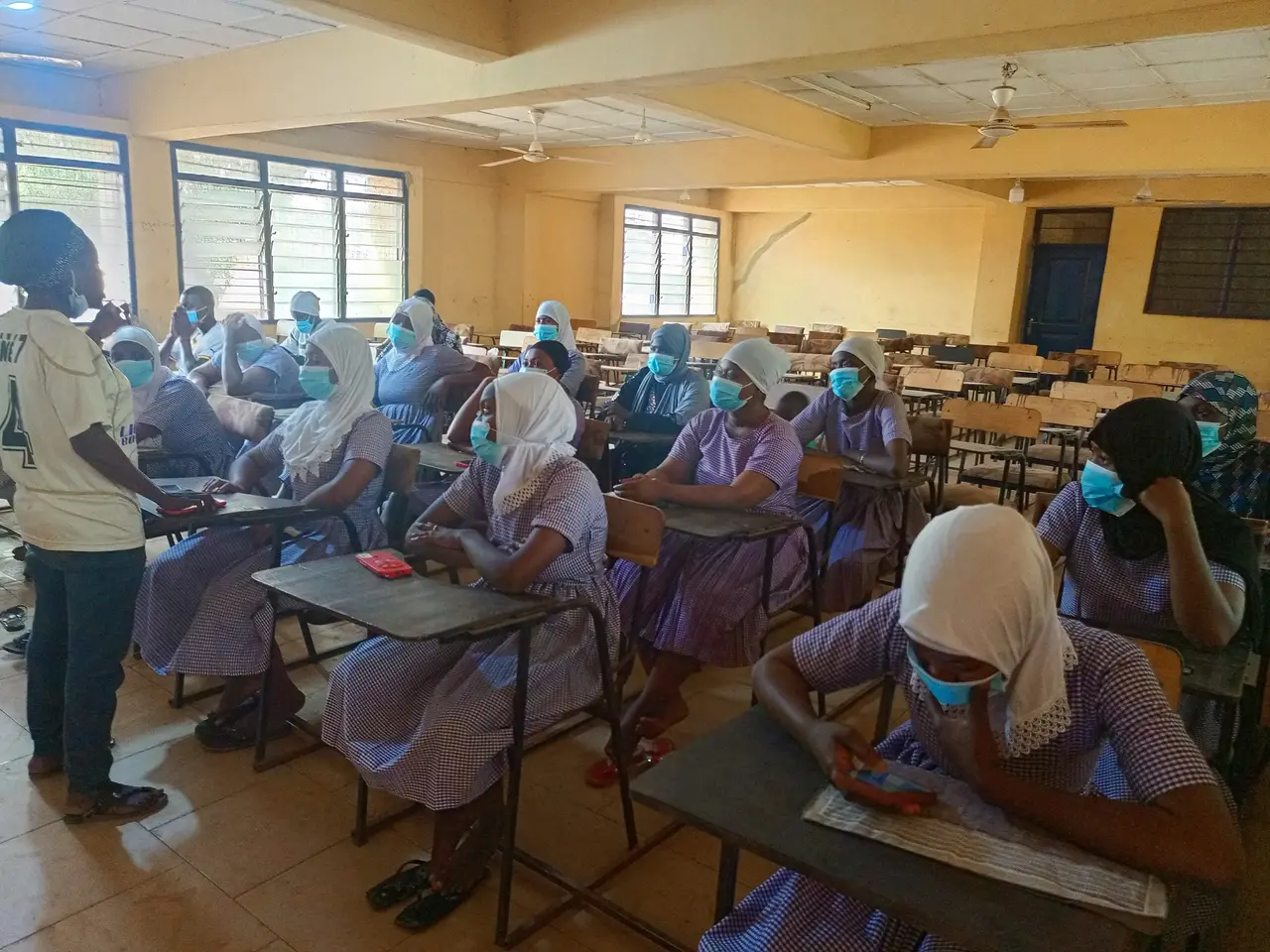
Kazakhstan's schools are preparing for major changes in the final quarter of the academic year. Starting April 1, new rules will adjust how students learn, depending on their region's epidemiological status. The Chief State Sanitary Doctor, Yerlan Kiyasov, has issued a decree outlining the shifts in teaching methods and safety measures. From April 1, schools in 'green' and 'yellow' zones will adopt a hybrid model. Graduating classes will follow a six-day schedule, with 70% of lessons held in person and 30% remotely. Class sizes will be capped at 25 students, and each session will run for 40 minutes, focusing only on core subjects like mathematics and physics. Other topics will move to remote learning.
The new requirements apply only to regions with stable epidemiological conditions for over seven days. Smaller schools, those with fewer than 300 students, will continue full in-person teaching. Meanwhile, physical education classes are encouraged to take place outdoors where possible. Separately, schools will begin accepting online applications for first-grade enrollment on April 1 via the e-Gov portal. Around 340,000 children are expected to start primary school in the coming academic year. Masks will still be compulsory for pupils in 'red' zone areas.
The changes aim to balance education with health precautions as the school year progresses. Hybrid learning will reduce classroom density while keeping essential subjects in focus. Schools must now adapt to the new rules while preparing for the next intake of first-year students.