
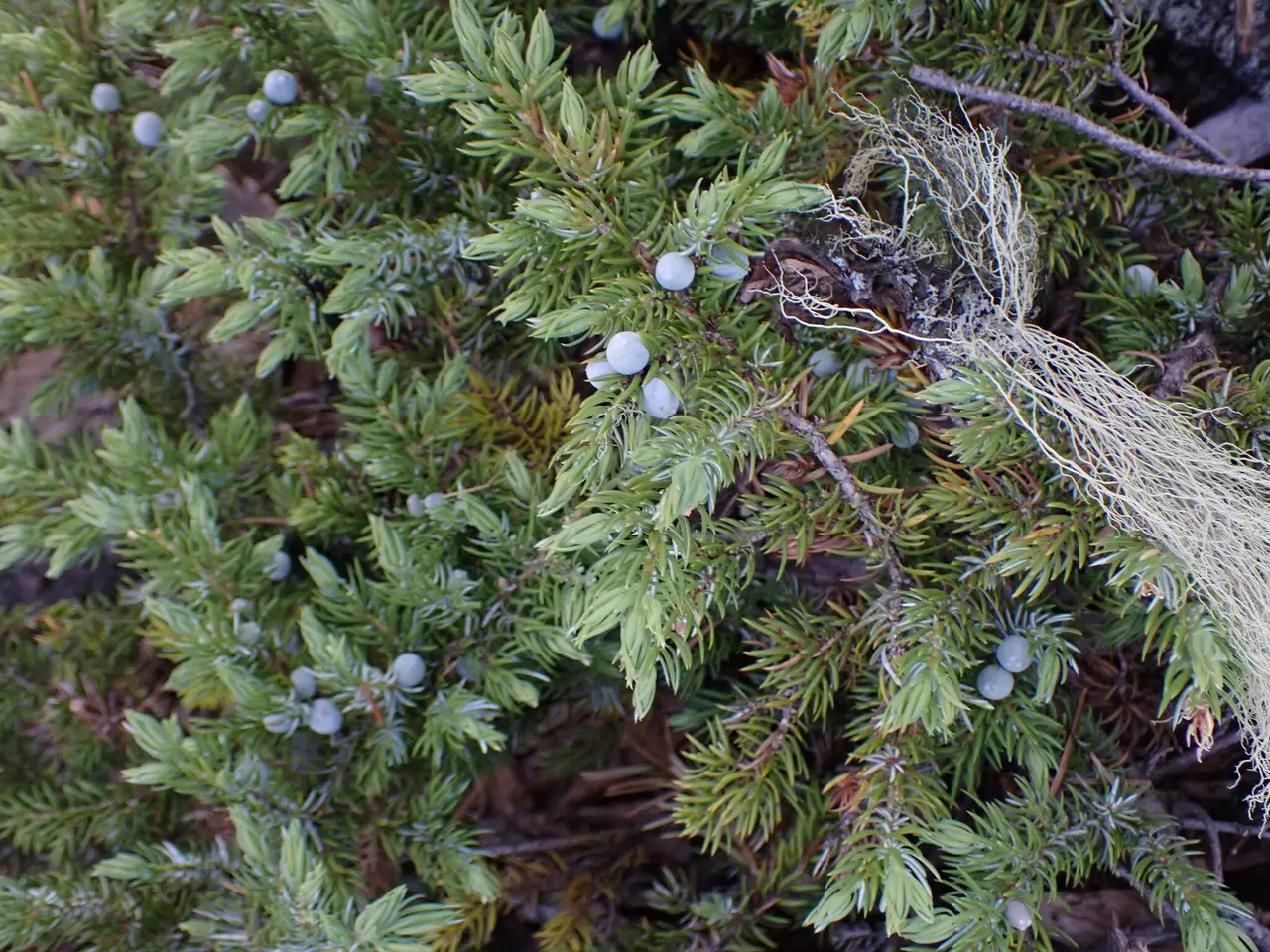
Juniper Berries: A Centuries-Old Spice with Healing Powers and Bold Flavor
Juniper berries have played a key role in medicine and cooking for centuries. Though often called berries, they are actually the fleshy cones of female juniper plants. Their sharp, bitter taste and strong aroma have made them a prized ingredient in both traditional remedies and flavoured dishes. Long before modern medicine, juniper berries were valued for their healing properties. In medieval Europe, people used them to fight infections and diseases, relying on their antiseptic and anti-inflammatory effects. Indigenous tribes in North America, including the Navajo, Hopi, and Plains peoples, also turned to juniper berries for relief. They treated colds, sore throats, headaches, and kidney stones with them, while also adding them to foods like pemmican, bread, and tea.
The berries' bold flavour—bitter, peppery, and slightly gritty—made them a natural choice for seasoning. Unlike sweet fruits, they were rarely eaten raw or in large amounts. Instead, small quantities were used to enhance meats, marinades, and pickled dishes. They also flavoured alcoholic drinks, from wine and mead to the juniper-based tonic that later inspired gin. In the 1600s, Dutch physician Francis Sylvius created a diuretic tonic from juniper berries. Marketed as a health aid, it gained popularity as a cheap, homemade alcoholic drink. Yet the berries contain Thujone, an oil that can cause stomach pain, diarrhoea, or kidney issues if consumed excessively. Only certain varieties, like the common juniper (*Juniperus communis*), are safe for regular use due to their low Thujone levels. Other edible types include *Juniperus drupacea*, *Juniperus phoenicea*, and *Juniperus californica*, each with distinct regional uses.
Today, juniper berries remain a staple in kitchens and traditional medicine. Their strong flavour and medicinal history continue to shape their use in small, controlled amounts. While they offer benefits, their potent compounds mean they must be handled with care.