Indigenous women in Nepal revive a water mill to fight climate change
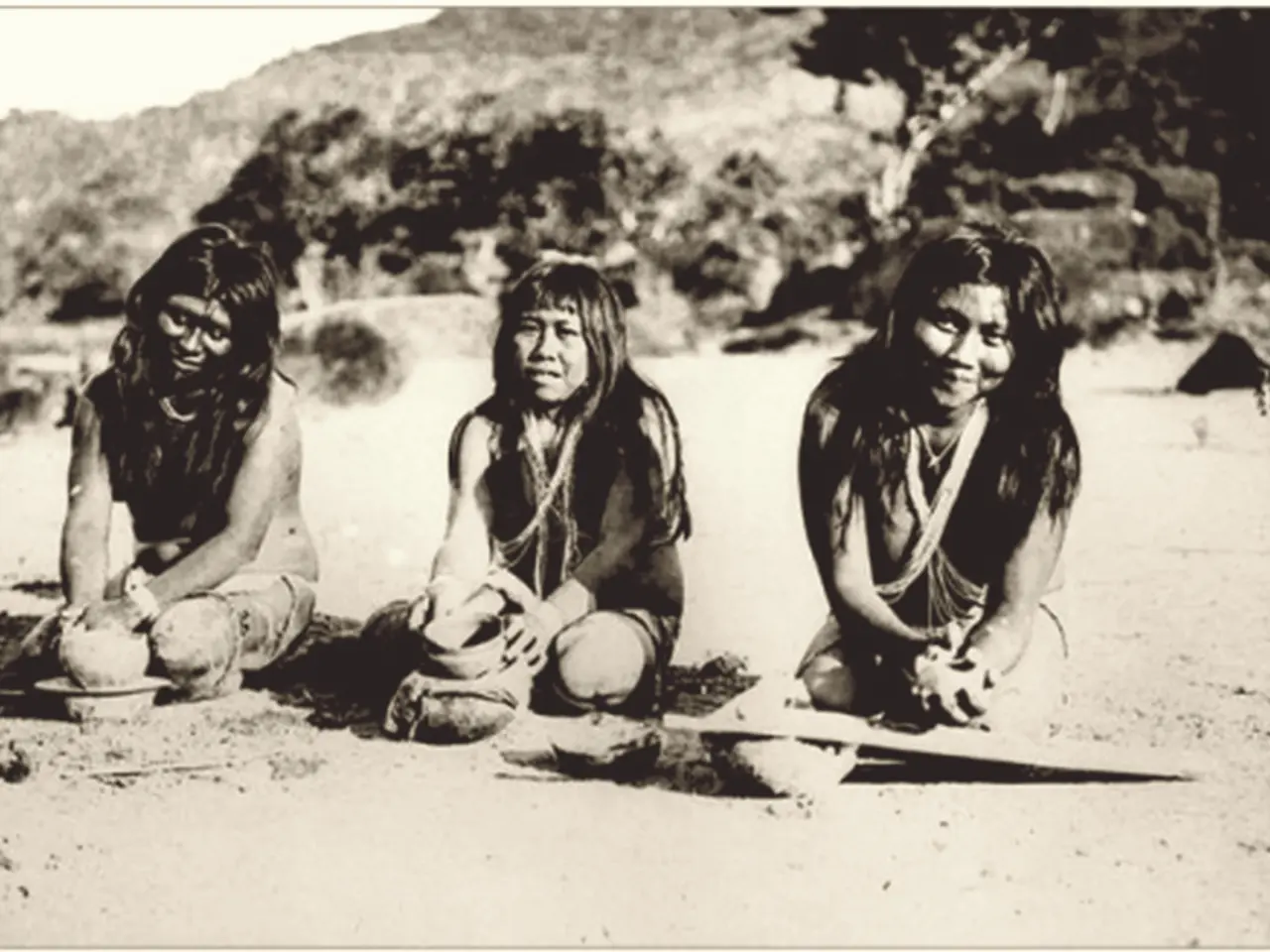
In Mustang, Nepal, Indigenous women are leading a change in climate action and conservation. A new project has revived a traditional water mill in Jomsom, cutting costs and workloads for local families. The initiative also marks a shift in community planning, where women's voices were once sidelined.
The project began when Indigenous women in Jomsom identified the restoration of a water mill as their top priority. They wanted to preserve traditional knowledge, ease daily burdens, and adapt to climate challenges. With support from the Government of Canada, the International Centre for Integrated Mountain Development (ICIMOD) and Gharapjhong Rural Municipality helped turn this vision into reality.
A fully women-led committee took charge of the entire process, from design to maintenance. Their goal was to ensure fair access and long-term sustainability. The restored mill now serves 165 households, benefiting 568 people—313 women and 255 men—across the community. Families save around USD 15 each season on travel and related expenses. The mill also reduces physical strain, giving women more time and energy for other tasks. Pramila Gurung, a local woman involved in the project, gained confidence in managing administrative and financial duties through her role in the committee. Beyond practical benefits, the initiative strengthens Indigenous women's leadership in climate action. It builds their skills in decision-making and project implementation, ensuring their voices shape future conservation efforts.
The water mill project has already improved daily life for hundreds in Mustang. It cuts costs, saves time, and reinforces Indigenous knowledge. With women now leading climate adaptation, the community is better equipped to face future challenges.