Illinois energy bills surge as data centers strain the grid and costs rise
Energy bills in Illinois have climbed sharply, with ComEd customers facing an 11% rise last June and another 2% hike expected next year. As concerns grow over soaring costs, local governments are pushing back against new data centres, which now consume around 5% of the state's electricity. Some residents and officials blame these facilities for driving up prices, even as they bring jobs and tax revenue to the region.
The Aurora City Council recently imposed a moratorium on new data centre projects, citing worries about their impact on utility bills. Similar opposition has emerged in Naperville and Lincoln, where residents fear further increases in energy expenses. Even shutting down major facilities, such as CyrusOne's Aurora site or Microsoft's Northlake campus, may not lower costs, as supply constraints persist across the state.
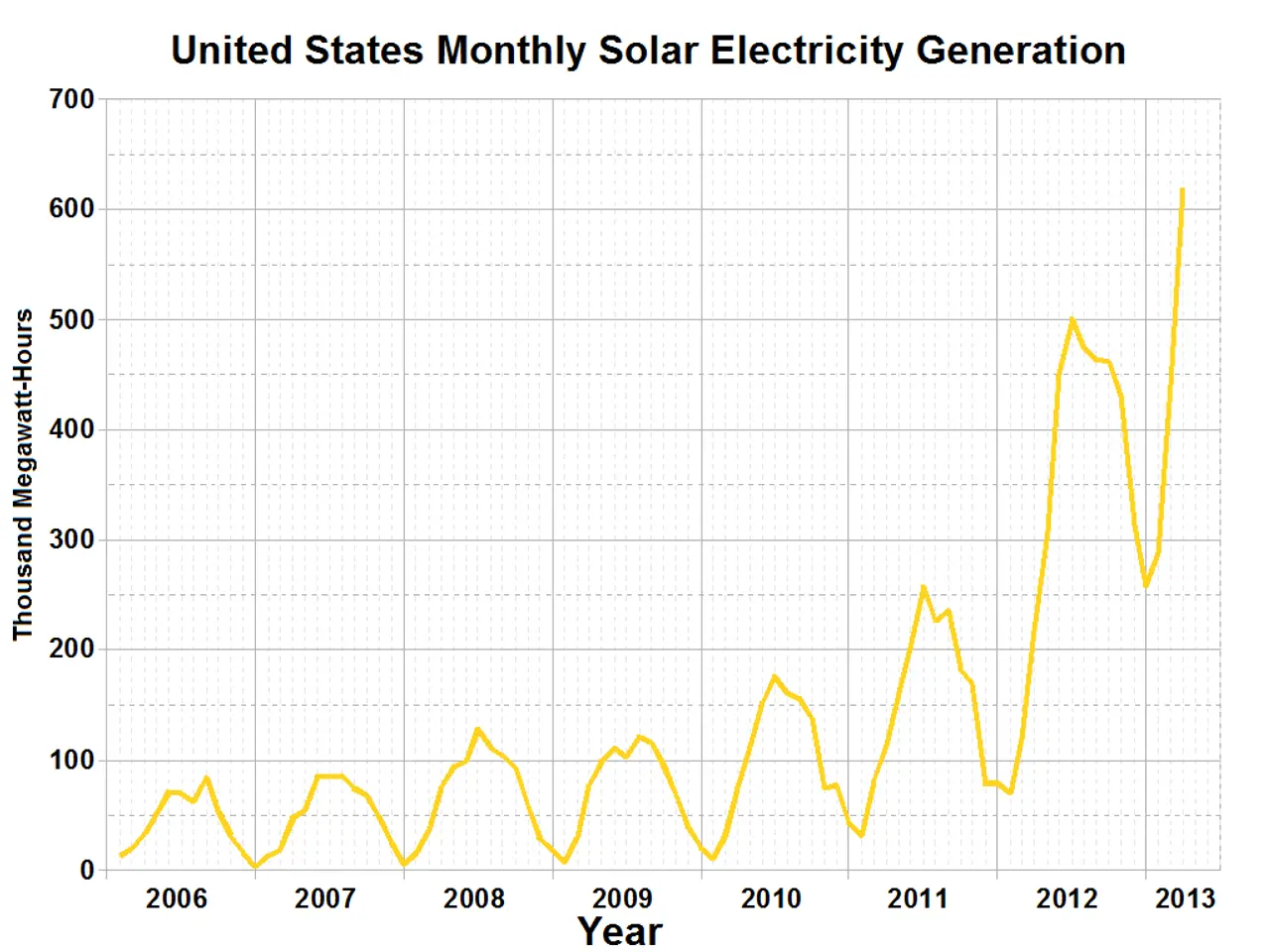
New power sources are slow to come online, adding pressure to an already strained grid. Illinois is working toward a clean energy transition, aiming to phase out coal and gas by 2050 in favour of wind and solar. Yet, despite these efforts, demand continues to outpace supply, keeping prices high.
In early 2026, Prologis announced plans for a 13-building data centre campus in Central Illinois—the only major project of its kind since 2023. Meanwhile, Brennan Investment Group withdrew its $2 billion proposal for a facility outside Chicago in February. Seven large data centre operators have pledged $2 billion to ComEd to cover transmission charges, shielding customers from additional costs for now.
The industry remains a major economic driver, supporting 115,000 jobs and contributing over $1.8 billion in state and local taxes in 2023. Yet, with half of the nation's solar and wind energy contracts in 2024 tied to data centre demand, the tension between growth and affordability shows no signs of easing.
Illinois faces a balancing act as it weighs the economic benefits of data centres against rising energy costs. With bills set to climb further and new projects still in the pipeline, residents and officials will continue to debate the best path forward. For now, the state's transition to renewables remains slow, leaving households to shoulder the financial burden.