How Warm Materials Transform Cold Metal and Concrete Interiors
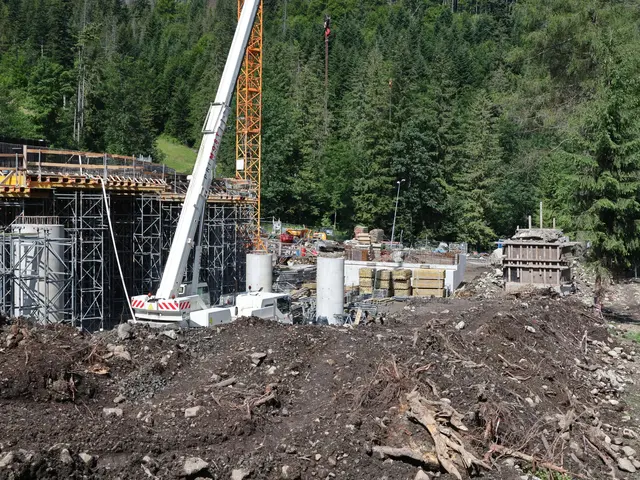
Metal and concrete have long shaped modern architecture, offering strength and durability. Yet their heavy, cold presence can make interiors feel unwelcoming. Designers now blend these materials with warmer elements to create balanced, inviting spaces.
The partnership between steel and concrete transformed building design. In the 19th century, iron bridges like the Iron Bridge and the Crystal Palace laid early groundwork. Later, the Chicago School—led by architects such as Sullivan and Wright—pushed functionalism with the idea that 'form follows function.' By the 20th century, Le Corbusier's Modern Movement embraced reinforced concrete, combining steel's tensile strength with concrete's compressive power. Landmarks like the Hoover Dam, completed in 1935, showcased this innovation on a grand scale.
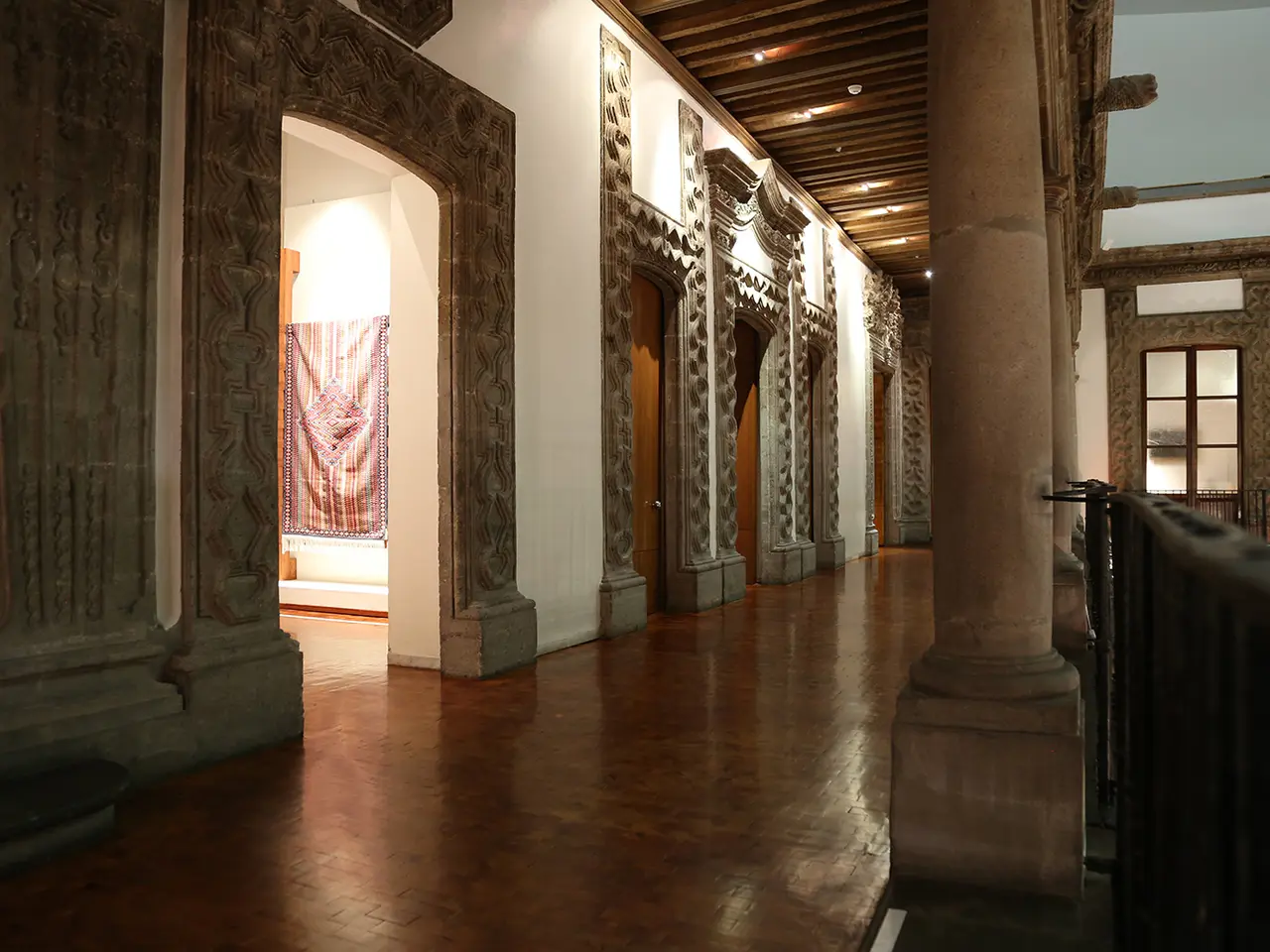
Structural analysis advanced alongside these materials, evolving from Renaissance methods to support industrial growth. Yet despite their practical benefits, metal and concrete often leave spaces feeling stark. To counter this, designers introduce natural wood, which stores heat well and radiates warmth evenly. Plants also soften harsh lines while improving air quality and comfort.
Textiles play a key role in warming industrial interiors. Coarse fabrics like linen or knitted cotton add texture against smooth concrete or aluminium. Corduroy and leather bring instant tactile warmth. Even subtle colour shifts can alter a room's feel, using the albedo effect to reflect light and create a softer atmosphere. Contrasting materials and bold hues further break up the coldness, adding visual interest.
The mix of industrial and natural elements creates spaces that are both functional and inviting. Wood, plants, and textiles balance the hardness of metal and concrete, making interiors more comfortable. This approach ensures that modern design remains practical without sacrificing warmth or character.