How to protect your floors from winter’s salt and slush damage
Winter weather brings more than just cold—it can seriously damage floors. Snow, slush, and floor decor cause long-term problems like discolouration, warping, and corrosion. But a few simple steps can keep entryways in good condition all season.
Salt and melting snow are especially harsh on floors. Chloride ions in salt corrode metal fittings, pit stone surfaces, and crack unsealed grout. Moisture from snow worsens the damage by seeping into seams, causing warping and spalling over time.
A strong defence starts at the door. Layered mats trap ice, grit, and salt before they spread inside. A boot tray near the entrance catches melting snow, stopping water from reaching the floor. Regularly cleaning and rotating mats prevents salt buildup and keeps moisture from lingering.
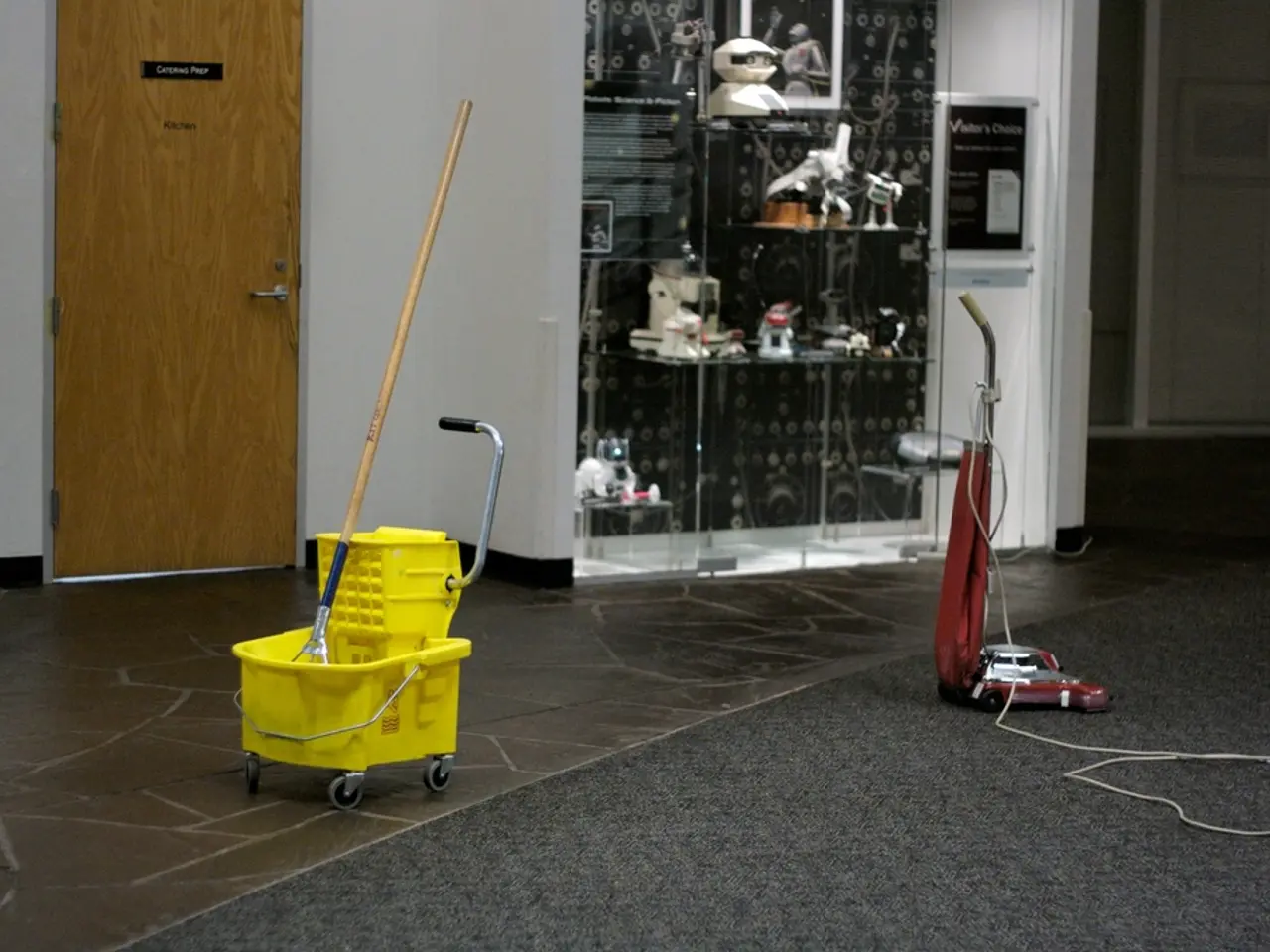
Daily maintenance makes a difference. Wiping floors with a microfibre mop and warm water removes salt residue before it causes harm. Drying floors thoroughly after cleaning stops moisture from seeping into edges or gaps. Sealing grout also helps—it locks in colour and blocks salt from staining surfaces.
For extra protection, a no-shoes rule or indoor slippers reduces wear. Applying a manufacturer-approved polish or sealant adds a barrier against salt and moisture. Using ice melt alternatives, like calcium magnesium acetate, avoids the worst effects of traditional salt.
With the right precautions, winter damage to floors can be minimised. Mats, regular cleaning, and sealants all help protect against salt and moisture. A little effort now prevents costly repairs later.