
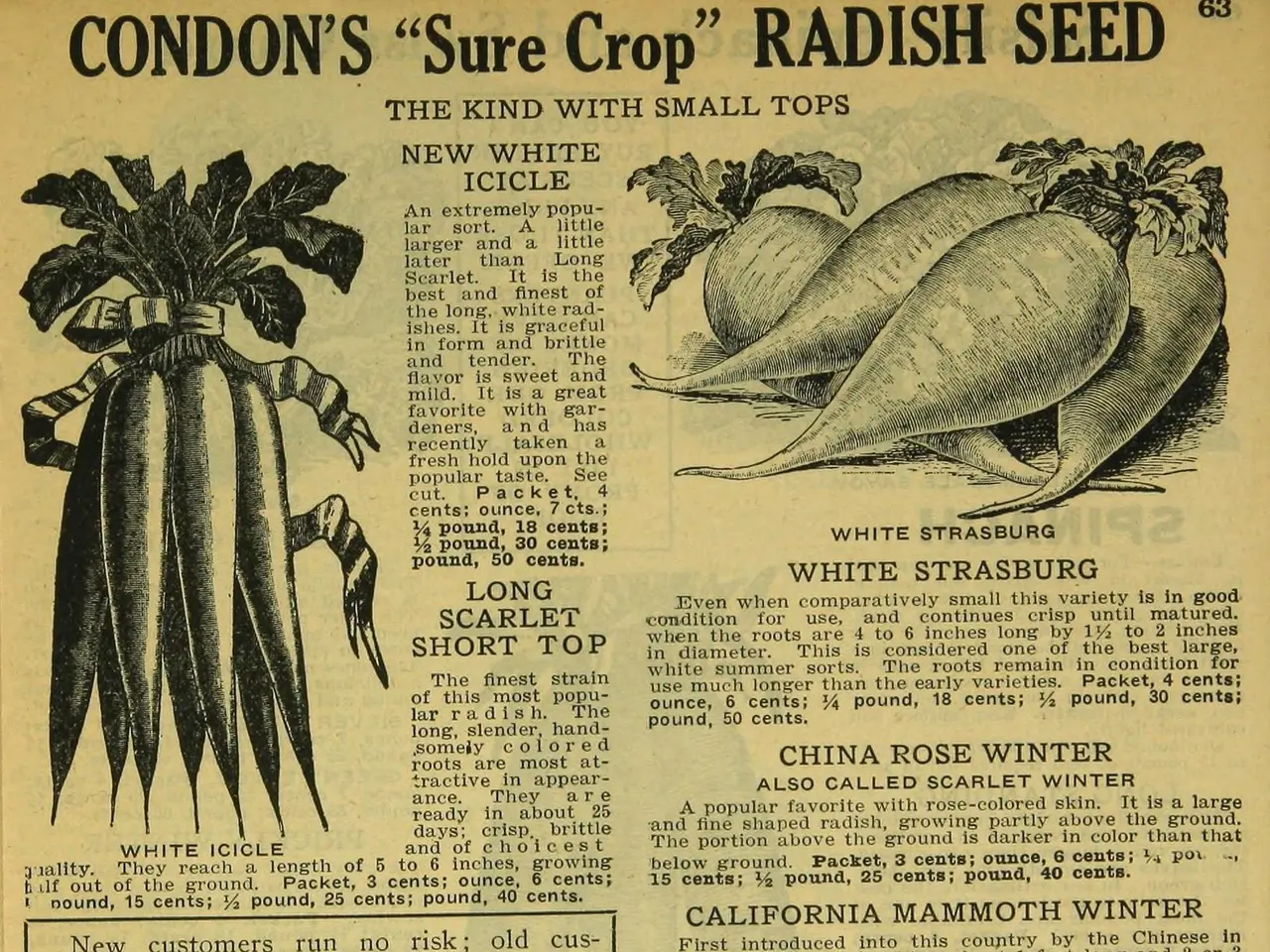
How to grow radishes for a six-month harvest with three plantings
Gardeners can enjoy fresh radishes for nearly half the year with careful planning. By planting in three separate stages, harvests are possible from April right through to October. The key lies in timing, soil preparation, and choosing the right conditions for each batch.
The first planting should take place in late March or early April. Fast-growing varieties work best at this stage, and young shoots need protection from cold snaps with row fabric. To avoid early flowering—known as bolting—sowing must finish by late April.
For the second batch, seeds go into the ground from mid-May to late June. Partial shade and soil that holds moisture well help prevent stress during warmer weather. This mid-season crop bridges the gap between spring and autumn harvests. The final planting runs from early August until the first week of September. These autumn radishes are the most dependable, producing dense, crisp roots up to 5–6 cm wide when given proper care. Their reliability makes them a favourite among growers. Success depends on soil quality across all plantings. Radishes thrive in loose, well-drained earth with a pH of 6–7. Beds should be deeply tilled, with sand or peat mixed in if the ground is too heavy. Without good drainage, roots may become misshapen or fail to form properly.
With three well-timed sowings, radishes can provide fresh produce for six months of the year. Each stage has its own requirements, from early protection against frost to late-season soil care. The result is a steady supply of crisp, homegrown roots from spring until autumn.