How to Grow Dragon Fruit at Home Like a Pro
Dragon fruit, also called pitaya, is a striking tropical fruit with bright pink, spiky skin and sweet, seed-speckled flesh. Growing it at home is possible, but the plant requires specific care—from temperature control to careful harvesting techniques.
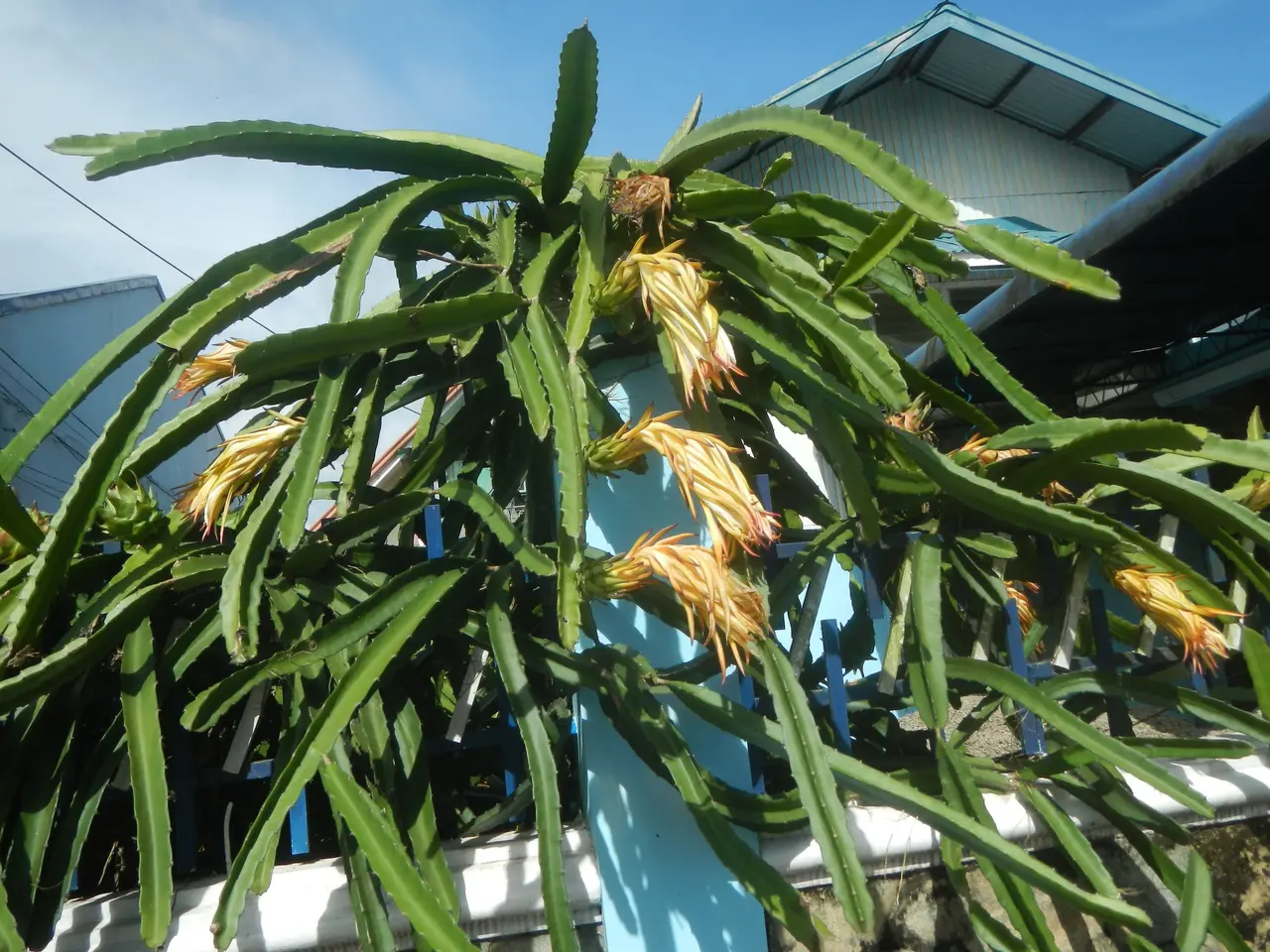
The dragon fruit plant, known scientifically as Hylocereus, is a climbing cactus native to Mexico, Central America, and South America. It thrives in warm climates, particularly USDA Hardiness Zones 10 to 12, and prefers temperatures between 65°F and 85°F. In cooler regions, it must be moved indoors to survive.
For centuries, indigenous cultures like the Maya and Aztecs valued the plant beyond its fruit. They used the flowers and stems for treating digestion issues, inflammation, and wounds. The spines served as needles or tools, while the fruit itself symbolised fertility and nourishment. Growing dragon fruit starts with either seeds or cuttings. Seeds need warm, moist soil in a small pot, usually sprouting within four weeks. Cuttings require a slanted slice from new growth, air-dried for a week before planting directly in soil. Young plants need regular fertilising in their first year and during active growth. Transplanting is tricky—the cactus has fragile roots and needs either a large pot (20–30 gallons) or 12 feet of garden space. Harvesting happens when the skin shifts from green to vibrant yellow, pink, or red, depending on the variety. Once picked, storage affects ripening. Room temperature speeds it up, while refrigeration slows it down. For long-term use, freezing chunks works well in smoothies or baking. Varieties range from sweet red-white to tart yellow, each with distinct colours and flavours.
Dragon fruit cultivation demands attention to temperature, space, and handling. When grown correctly, the plant produces visually striking fruit with a mild, sweet taste. Proper storage ensures it stays fresh for cooking or eating raw.