How to Care for Peonies in Autumn for Bigger, Brighter Blooms Next Year
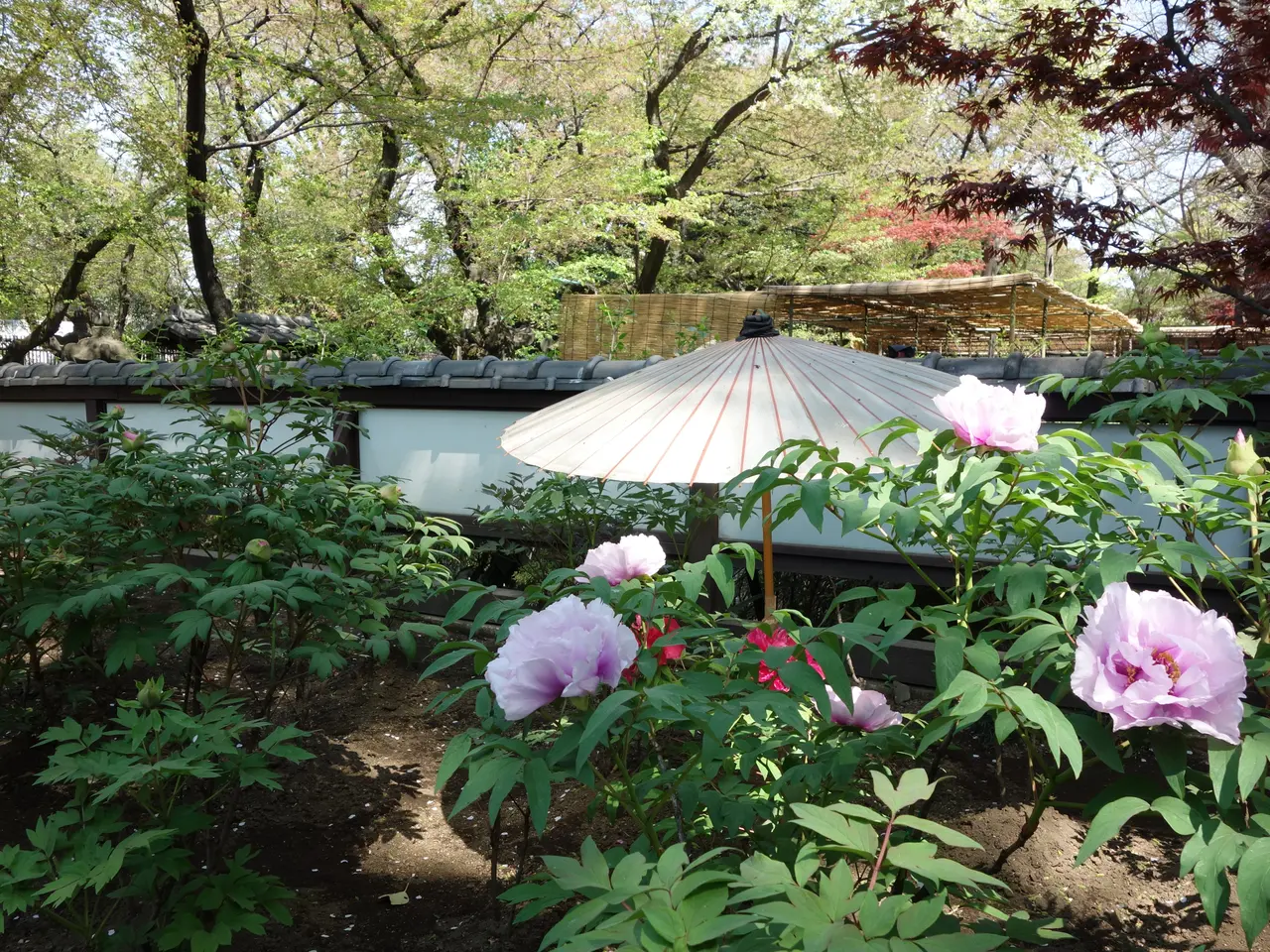
Peonies are beloved for their stunning flowers, which bloom for just three weeks each year. To keep them healthy and ensure strong growth, proper autumn care is essential. This includes careful pruning, fertilising, and removing old leaves before winter arrives.
The best time to prune peonies is when over half the leaves have turned yellow, usually in early November. Waiting until this stage ensures the plant has stored enough energy for next year's blooms. In colder regions, like parts of Germany or the northeastern US, pruning often aligns with winterising grapevines—typically late November or early December.
Pruning should always finish before winter fully sets in, when sap movement in the stems stops. This timing helps prevent disease, as old leaves left on the plant can harbour infections, especially during winter thaws. With climate change, frost days in these regions have dropped by 20–40% over the past two decades, shifting the ideal pruning window earlier.
Fertilising should end by late September to strengthen the plants for winter. A potassium-phosphorus mix is recommended for autumn feeding. Removing old foliage not only reduces disease risk but also protects the buds that will produce next season's flowers.
Following these steps—pruning at the right time, fertilising early, and clearing old leaves—helps peonies survive winter and bloom vibrantly. As climate patterns shift, adjusting care routines ensures these plants remain healthy for years to come. The effort pays off with stronger growth and more spectacular flowers each spring.