How to Achieve a Perfect Wood Stain Without Streaks or Blotches
Achieving a flawless wood stain requires careful preparation and technique. From selecting the right product to applying it correctly, each step plays a key role in the final result. Proper methods ensure a smooth, even finish without streaks or blotches.
Before staining, thorough prep work is essential. The wood must be clean, sanded smoothly, and free of dust. Rushing through sanding can leave swirl marks or scratches that show through the stain.
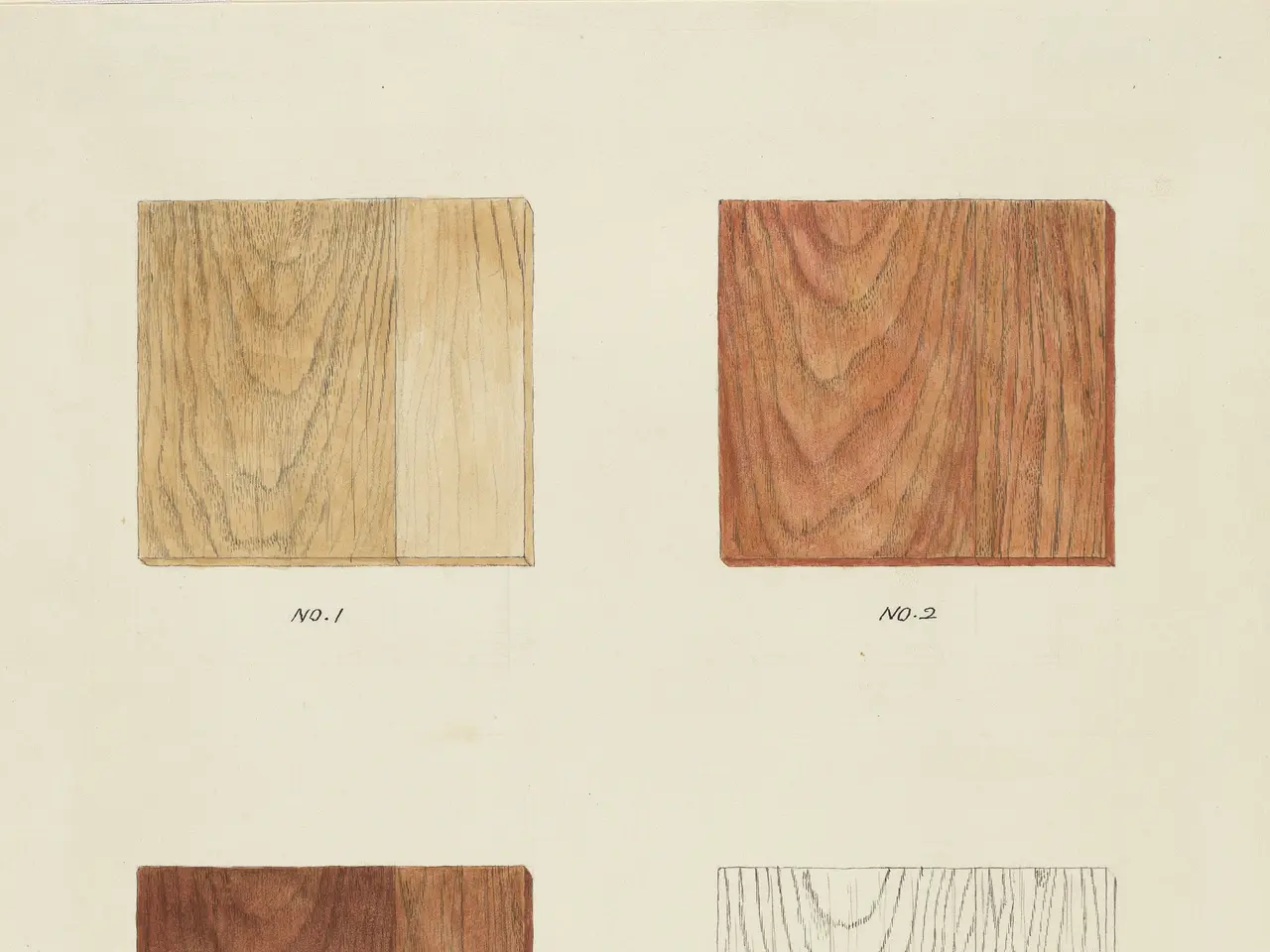
Testing the stain on a scrap piece first helps avoid surprises. Different woods absorb color differently—open-grain types like oak take stain evenly, while maple, birch, and pine often develop blotches. For these tricky species, gel stains or a wood conditioner can provide better control. When applying stain, always follow the grain to prevent streaks. Excess should be wiped off before drying to stop tacky patches. Oil-based stains offer deeper color and more working time, but water-based options dry faster with less odor and a more uniform look. Gel stains sit closer to the surface, making them ideal for refinishing or uneven woods. Once the stain is dry, a top coat can be added—but only after full drying to avoid trapping moisture.
The right stain and technique depend on the wood type and desired finish. Proper prep, careful application, and patience during drying ensure a professional result. Following these steps helps avoid common issues like streaks, blotches, or uneven color.