How Soviet housing policies tore Russian families apart for decades
For generations, Russian families like the Kozyrevs lived together under one roof, bound by deep kinship ties. These traditions stretched back to old Russia, where clans shared meals and space daily. But after the Revolution, the Soviet government reshaped housing—turning private homes into communal apartments where strangers lived side by side.
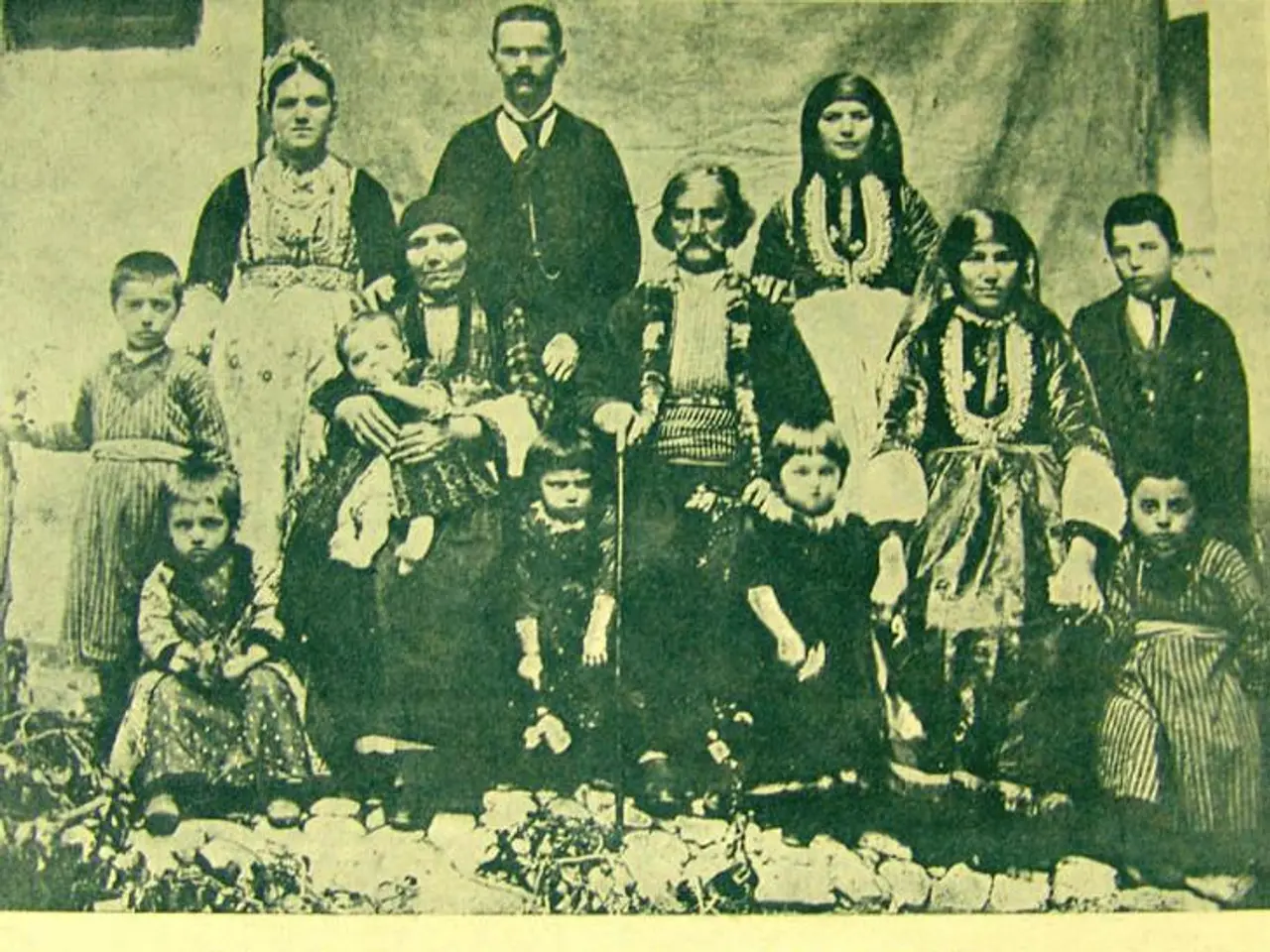
Before the Revolution, large families often occupied a single home, with multiple generations gathering each evening for meals. Terms like shurin (a wife's brother) and zyat' (a sister's husband) reflected the intricate bonds between relatives. An old proverb even claimed that a shurin knew his sister's secrets but stayed silent.
The Bolsheviks changed this after 1917. Wealthier citizens were forced to share their homes with working-class families, creating communal apartments. Authorities saw these setups as useful—neighbours kept close watch on one another. The Kozyrevs experienced a similar shift: after their parents died, siblings and their families split into separate rooms, mirroring the tensions of communal living.
Arguments over shared kitchens, bathrooms, and hallways became common. The Kozyrevs' disputes echoed those in state-run apartments, where strangers clashed over space and resources. By the Soviet era, nearly 70% of housing was communal. But after 1991, privatisation swept through Russia, shrinking that figure to under 5% today.
The Kozyrevs' story traces a shift from tight-knit clans to fragmented households, first by necessity, then by state policy. Communal living, once widespread, now survives only in rare pockets. Most Soviet-era apartments have passed into private hands, leaving behind a fading chapter of shared domestic life.