How Shrinking Gardens Are Reshaping UK Homes and Well-Being
Gardens have long held a special place in human life, shaping culture and well-being over centuries. Recent trends, however, show that outdoor spaces are shrinking—especially in the UK, where over one in ten homes may now lack a garden entirely. Despite this, even small green areas can boost mental health and property value with the right approach.
Over the past 30 years, the average garden size in Britain has steadily fallen. By 2020, research suggested that more than 10% of households had no garden at all. While data on German garden trends remains unavailable, the UK's shift highlights a broader challenge: making the most of limited outdoor space.
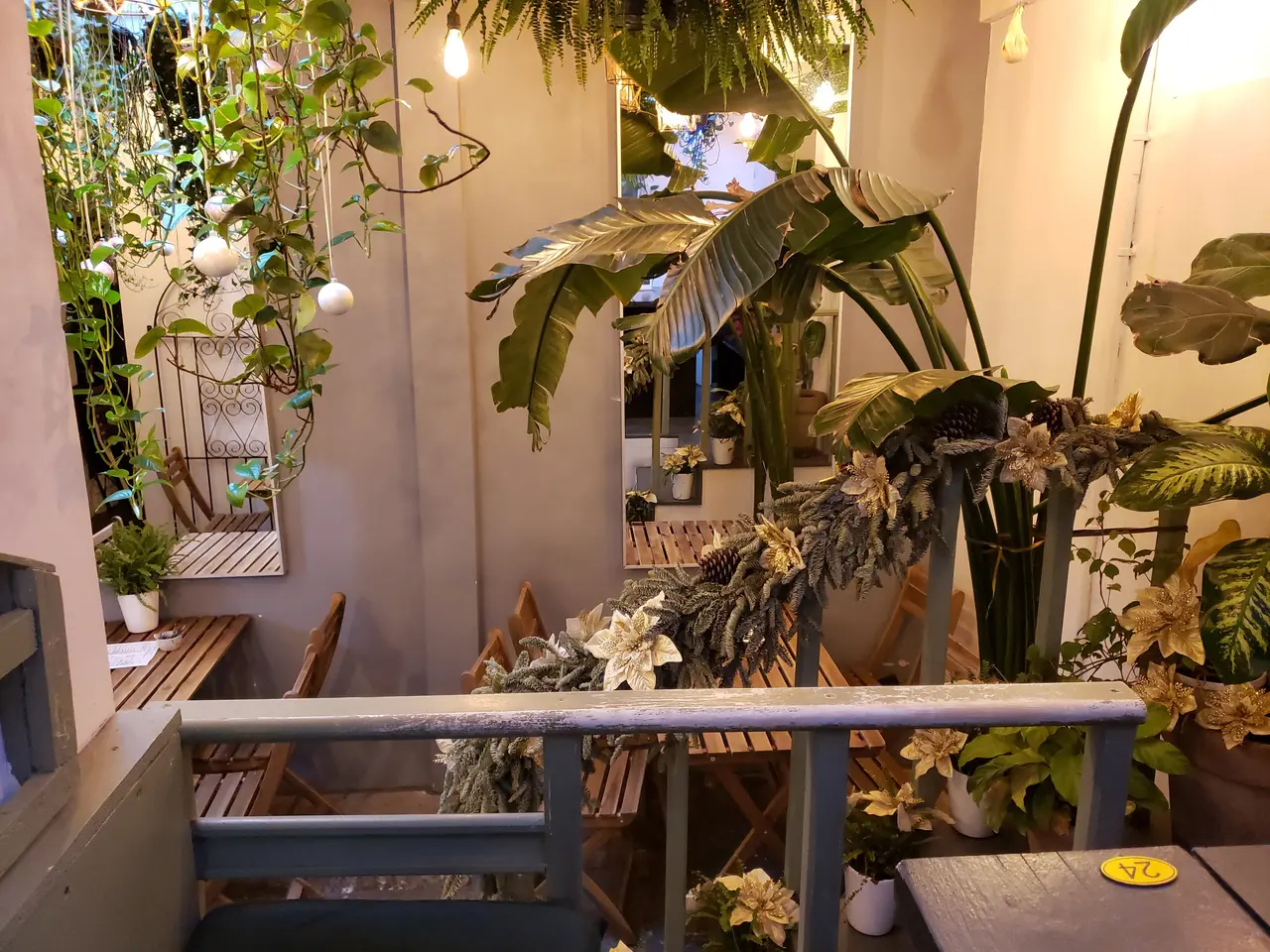
Design tricks can help maximise smaller areas. Mirrors, for instance, create the illusion of depth, making gardens feel larger. Hanging baskets and window boxes add colour and texture without taking up ground space. Garden shelving introduces height, adding volume to borders, while bold-coloured furniture brings energy to compact layouts. Keeping a garden clutter-free is key, particularly in tighter spaces. A well-organised area not only looks better but also enhances usability. Beyond aesthetics, studies confirm that time spent in gardens improves mental well-being, reinforcing their value beyond mere property appeal.
As gardens grow smaller, smart design choices can transform even the tiniest plots into functional, inviting spaces. From vertical planting to strategic use of colour, these adjustments help maintain the benefits gardens offer—both for mental health and property worth. With outdoor areas under pressure, such solutions are becoming more important than ever.