
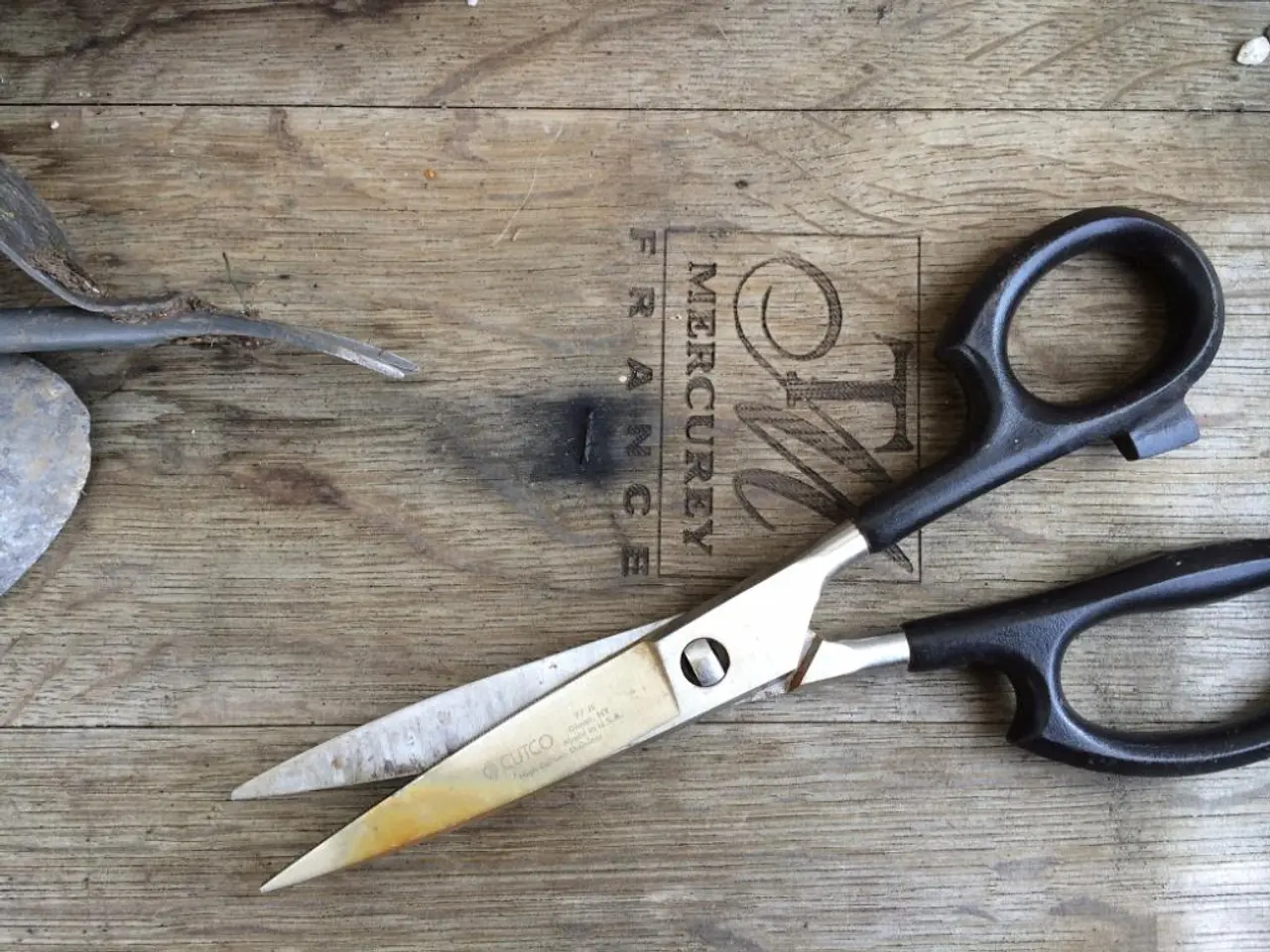
How scissors evolved from ancient bronze to precision tools we rely on today
Scissors are one of the oldest and most versatile tools in human history. Used across cultures and industries, they remain essential for everything from daily chores to specialized professions. Their design has evolved over thousands of years, adapting to new materials and needs.
The earliest known scissors appeared around 1500 BCE as spring scissors, made from a single piece of bronze. By the first century CE, the Romans developed a pivoted design closer to what we recognise today. This basic structure—blades, a pivot, handles, and sometimes serrations—has stayed largely the same, though refinements continue.
A typical pair of household scissors handles paper, string, and lightweight materials. More specialized versions exist for precise tasks. Sewing scissors, for example, feature angled blades to cut fabric flat against a surface. Hairdressing scissors have offset handles for comfort during long use, while medical scissors—like surgical or bandage scissors—demand extreme precision. Advances in materials and technology have further improved scissors. Ergonomic handles reduce strain, and titanium-coated blades increase durability. The German city of Solingen has long been a hub for high-quality scissors, with about 90% of the country’s manufacturers based there since the 13th century. The ‘Solingen’ brand gained legal protection in 1938, reinforcing its global reputation.
From ancient bronze tools to modern precision instruments, scissors have adapted to countless roles. They remain indispensable in crafts, medicine, textiles, and homes worldwide. Ongoing innovations ensure they continue to meet the demands of both everyday and specialized tasks.