How permaculture's edge principle transforms gardens and communities alike
Permaculture offers more than just a way to garden—it provides lessons for life. This approach focuses on creating productive, diverse ecosystems that mimic nature's resilience. At its core, it encourages people to look beyond the obvious and find value in overlooked spaces and ideas.
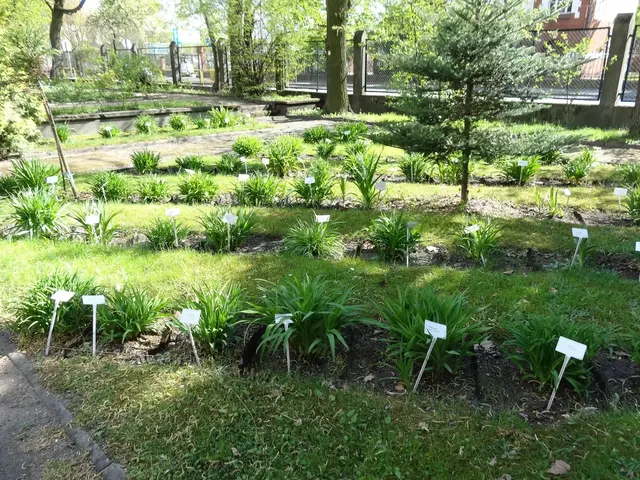
In permaculture, edges—the borders between different garden zones—are some of the most productive areas. Designers maximise these fringe spaces to boost biodiversity and create beneficial interactions. The same principle applies beyond gardening: valuing the marginal means paying attention to ideas, voices, and places often ignored.
Over the past five years, real-world projects have put this philosophy into action. In Australia, **Zaytuna Farm**, led by Geoff Lawton, has transformed garden edges using contour swales and food forests. Meanwhile, in the US, the **Permaculture Women's Guild**—with figures like Jessi Bloom—has trained marginalised groups, including refugees and low-income women, in sustainable growing techniques. Since 2022, Seattle's **Beacon Food Forest** has also expanded, running equity-focused programmes for BIPOC communities. The idea extends beyond plants. Listening to those on the margins—whether in society or in thought—can reveal blind spots and spark new solutions. Stepping outside familiar circles helps uncover shared ground and fresh perspectives.
Permaculture's focus on edges and margins offers practical lessons for gardens and daily life. By embracing overlooked spaces and voices, people gain new insights and a deeper appreciation for diversity. The approach doesn't just create stronger ecosystems—it fosters richer, more connected communities.