How Global Flower Trade Shifts and Simple Care Keep Bouquets Fresh Longer
The global cut flower trade has seen major shifts over the past five years, with exports rising from key producers like the Netherlands, Colombia, and Kenya. Meanwhile, simple care techniques can help extend the life of fresh bouquets at home. Proper handling from selection to placement makes a noticeable difference in how long flowers last.
Between 2021 and 2025, the cut flower market expanded steadily, with annual growth of around 3-5% before 2023. The Netherlands remained the world's top exporter, while Colombia dominated rose and carnation shipments to the US, and Kenya supplied Europe. Ethiopia also emerged as a growing supplier for EU markets. However, disruptions like COVID-19, Red Sea shipping delays in 2024, and higher air freight costs pushed traders to rely more on regional hubs in the Middle East.
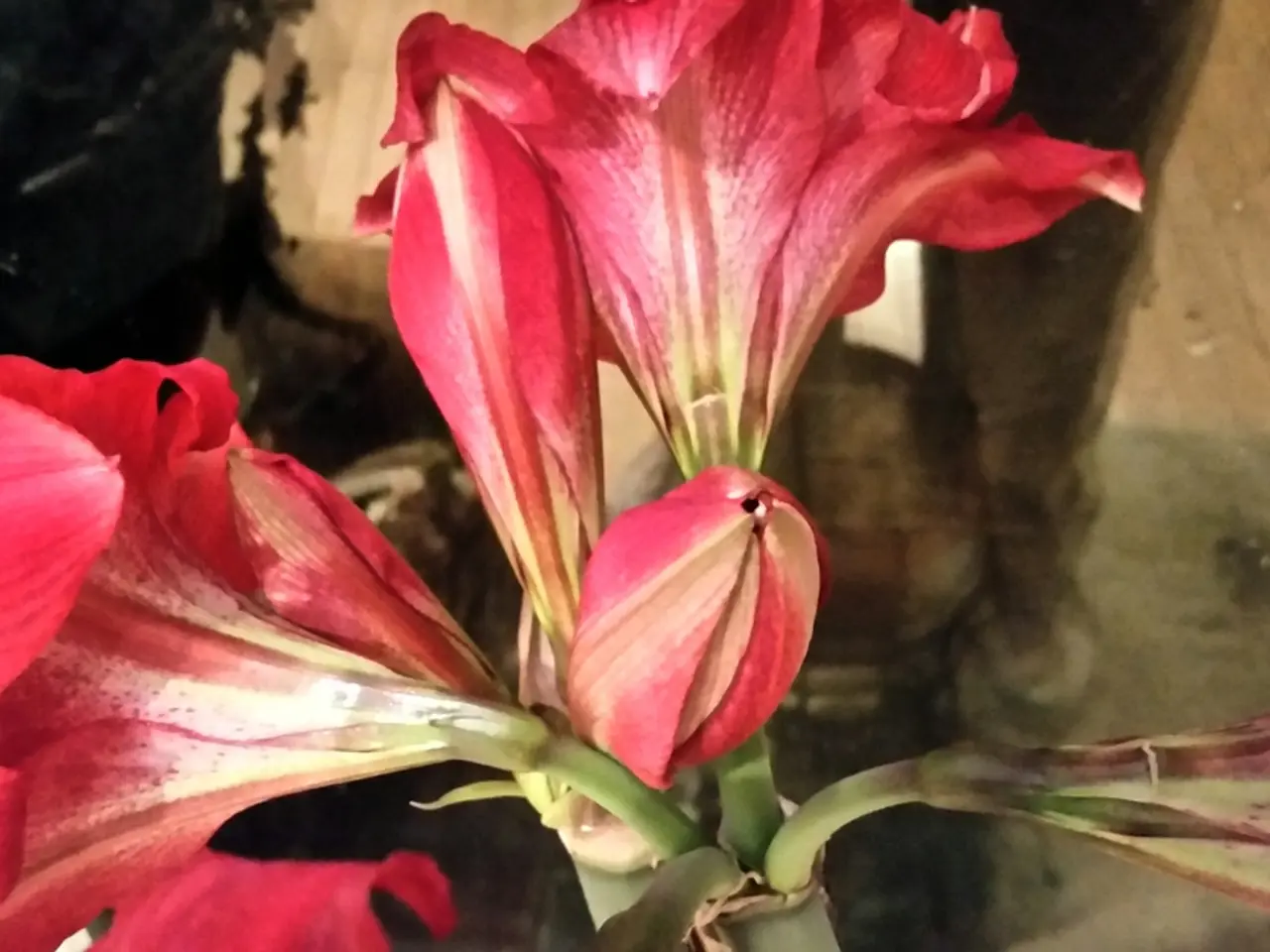
For those bringing flowers home, selecting the right blooms is the first step. Experts recommend choosing stems just beginning to open, before pollen loosens, and avoiding limp or discoloured petals. Once arranged, trimming the bottom half-inch of stems with a sharp knife helps them absorb water better. Removing any leaves that would sit below the waterline also prevents rot and keeps the arrangement fresh longer.
Daily maintenance plays a key role in prolonging vase life. Water levels should be checked and topped up regularly, with a full change if it turns cloudy or develops an odour. Adding a commercial floral preservative further slows wilting. Placement matters too—flowers stay fresher in cool, bright spots, away from direct heat or drafts.
The cut flower industry continues to adapt to global challenges while meeting demand in major markets like the US, Germany, and Japan. At home, small steps—from careful selection to proper trimming and placement—can keep bouquets vibrant for days. These practices ensure both trade efficiency and longer enjoyment of fresh flowers.