How Festivals Are Cutting Food Waste with Smart Packing and On-Site Markets
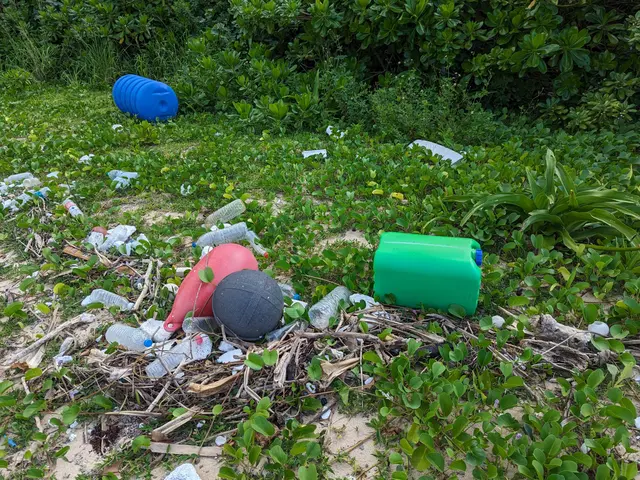
Food waste at festivals has long been a growing concern, with excess packaging and uneaten supplies piling up after events. Now, some organisers are taking steps to cut down on the problem by introducing on-site supermarkets for fresh supplies. Campers are also finding smarter ways to pack meals that last longer and create less rubbish.
Many festival-goers now opt for non-perishable foods that stay fresh without refrigeration. Canned goods like chickpeas, beans, corn, and tomatoes are popular choices—they’re easy to store, quick to prepare, and versatile for different meals. Unopened cans can even be donated or recycled at collection points set up by some festivals.
Hardy fruits and vegetables, hard cheeses, and cured meats also hold up well in festival conditions. These items avoid the need for cool boxes while still providing balanced meals. For extra energy, snacks like nut butters, dried fruit, and granola bars keep campers fuelled between meals. Cooking at festivals doesn’t require elaborate setups either. A small camping stove is enough to make simple, filling dishes using dry goods. Couscous, pasta, and oats are especially useful—they’re lightweight, easy to carry, and cook quickly. Planning portions carefully helps prevent leftovers, as even durable canned foods can go to waste if over-packed. To further reduce waste, some festivals now provide on-site supermarkets. These allow attendees to buy fresh supplies as needed, cutting down on overpacking and spoiled food. The shift towards reusable and recyclable packaging is also making a difference in keeping festival sites cleaner.
The move towards long-lasting foods and better waste management is changing how people eat at festivals. With more options for recycling, donating, and buying fresh supplies on-site, campers can now enjoy meals without leaving behind unnecessary rubbish. These small adjustments are helping festivals become more sustainable, one meal at a time.