First Ladies: The True Power Behind US Presidents? - How Betty Ford and Melania Trump Redefined the First Lady's Legacy
The role of the US first lady has changed dramatically over the past five decades. Once seen as a figure of quiet support, modern first ladies now shape their own legacies—often long after leaving the White House. Scandals and personal struggles, from addiction to political controversies, have reshaped public expectations of these influential women.
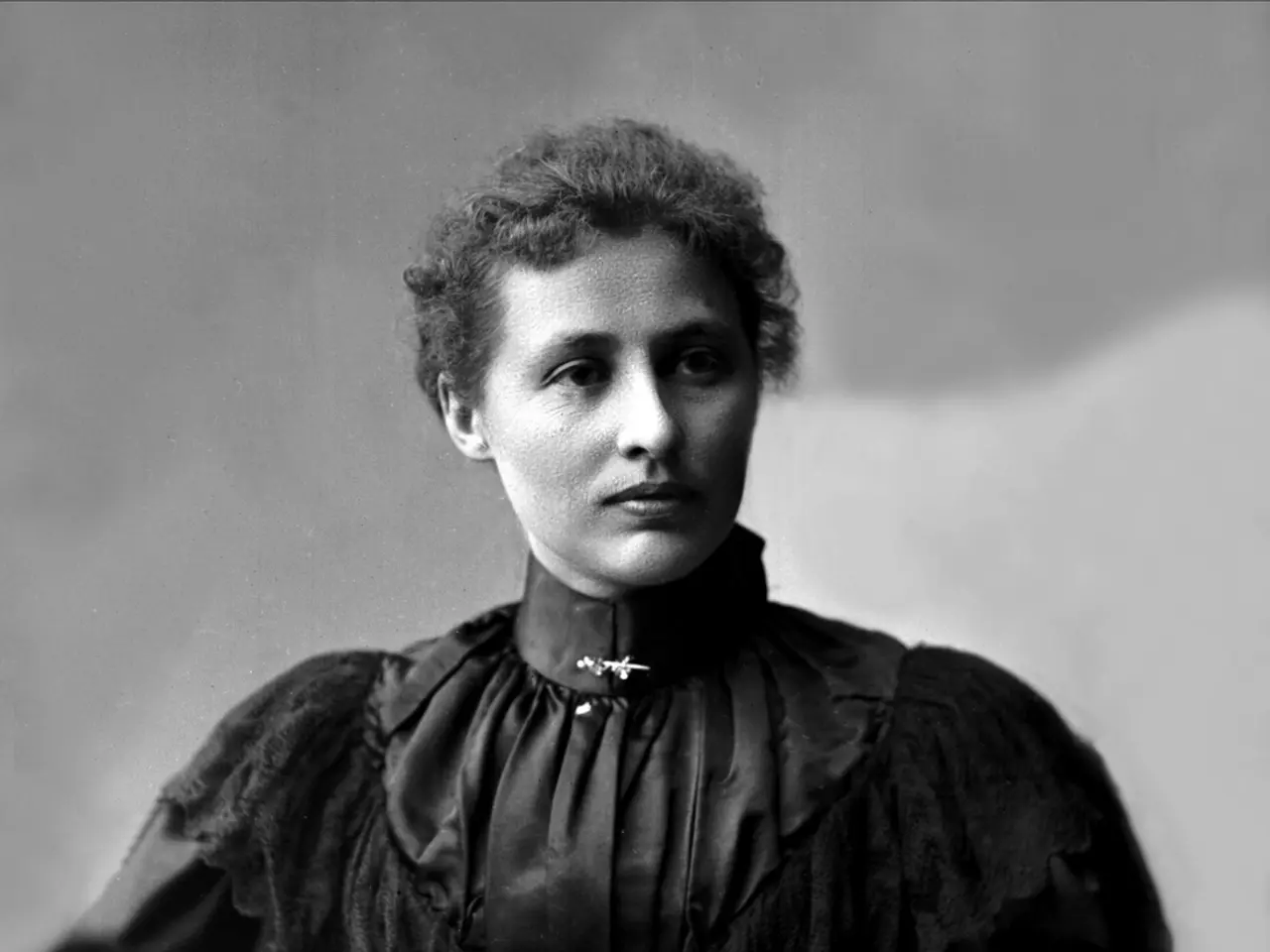
In the 1970s, Betty Ford broke barriers by openly addressing her battle with alcoholism after her husband, Gerald Ford, left office. Her honesty was unusual at the time, as first ladies were expected to maintain a flawless public image. She later used her influence to found the Betty Ford Clinic, a leading center for addiction treatment.
Before Ford, first ladies like Pat Nixon were often viewed as loyal defenders of their husbands, especially during crises like Watergate. But as scandals unfolded—from Iran-Contra under Nancy Reagan to the Lewinsky affair during Hillary Clinton's tenure—the role shifted. These women moved beyond traditional support, becoming advocates in their own right.
More recently, Melania Trump's 2026 documentary, screened at the White House, reignited debates about her public persona. The film framed her as making a 'comeback' amid her husband's controversies, showing how first ladies now actively shape their narratives. No US president has ever entered office without a wife, yet the expectations of that role have never been more fluid.
From Betty Ford's advocacy to Melania Trump's media strategy, first ladies now define their legacies beyond their husbands' terms. Their influence extends into policy, public health, and even pop culture. The position, once rigidly ceremonial, has become a platform for personal and political reinvention.