How Art, Architecture, and Design Vocabulary Shapes Creative Thinking
Art, architecture, and design share deep ties to creativity, culture, and history. Each field relies on its own specialised vocabulary to describe how ideas take shape. These terms help people analyse, discuss, and appreciate the works around them more clearly.
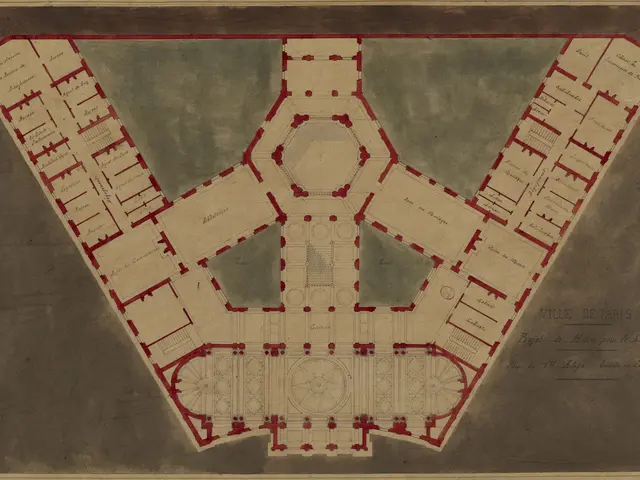
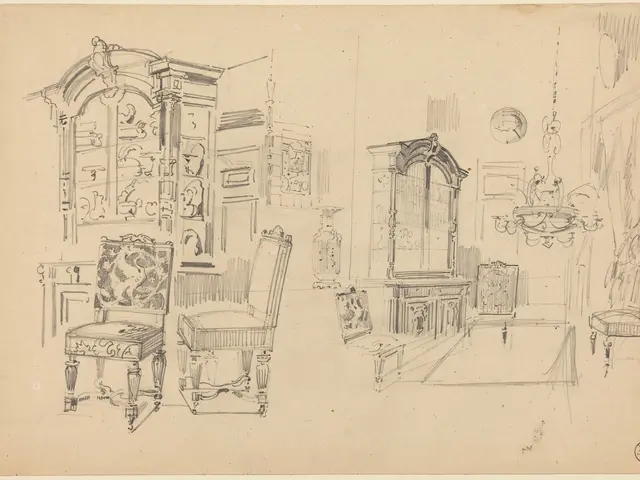
For decades, key terms in these fields have shifted alongside global trends and technology. In art, words like composition, perspective, and medium define how a piece is structured and perceived. Architecture, meanwhile, uses phrases such as symmetry, facade, and structural integrity to explain both form and purpose. Design vocabulary—including aesthetics, balance, and usability—highlights what makes an object or space functional and appealing.
Since the 1980s, digital advances and global exchange have introduced new concepts. *Digital art* and *parametric design* became widely recognised as computers reshaped creative processes. Around the same time, *deconstructivism* emerged in architecture, championed by figures like Frank Gehry. By the 2000s, *user experience (UX)* grew essential in design, driven by the rise of interactive technology. The right vocabulary does more than label ideas—it sharpens how people engage with them. Whether discussing a painting's *medium*, a building's *facade*, or a product's *usability*, precise language deepens understanding and conversation.
These evolving terms reflect how art, architecture, and design adapt to new tools and cultural shifts. A strong grasp of their vocabulary allows for richer discussions and a keener eye for detail. The words used today will likely keep changing as creativity and technology progress.
Read also:
- How America's Fast Food Habit Is Harming Long-Term Health
- Kent Construction Expo unites industry leaders for a decade of growth and innovation
- North Rhine-Westphalia's exports tumble 8.5% in June 2019 amid global demand slump
- Northern Ireland urged to repurpose roads for walkers and cyclists amid lockdown