How Abandoned City Lots Become Thriving Community Gardens and Revitalize Neighborhoods
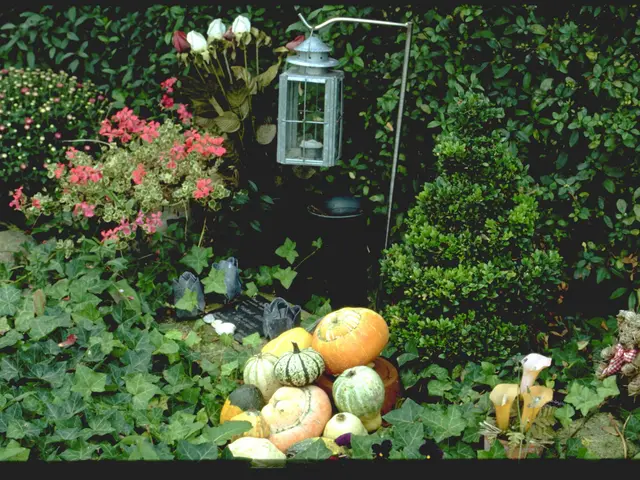
Vacant lots in cities are often viewed as wasted space or trouble spots. But turning them into community gardens can bring wide-ranging benefits. Recent projects in Berlin, Hamburg, Munich and Vienna have shown how these green spaces improve neighbourhoods in measurable ways.
Starting a garden on public land takes planning and cooperation. Organisers must work with local officials to secure permission and ensure access to essentials like water and sunlight. Common hurdles include vandalism, dwindling volunteer numbers and logistical issues.
Once established, these gardens create lasting change. Studies confirm that areas with new green spaces or cleaned-up lots see lower crime rates. Property values also rise near well-maintained gardens, making districts more attractive. The social impact is equally clear. Gardens encourage residents to interact, building trust and stronger community ties. In Berlin’s Prinzessinnengarten and Munich’s Ostpark-Gemeinschaftsgärten, intercultural exchange and environmental education have flourished. Volunteers gain skills, local food production increases, and small businesses often benefit from the added foot traffic. The effects spread beyond the garden gates. Safer streets, new friendships and better access to fresh food follow. Some cities even report lower maintenance costs as neglected plots become productive spaces.
Community gardens turn unused land into assets for residents and local economies. They reduce crime, lift property values and strengthen neighbourhood bonds. With careful planning, these green spaces create benefits that last for years.