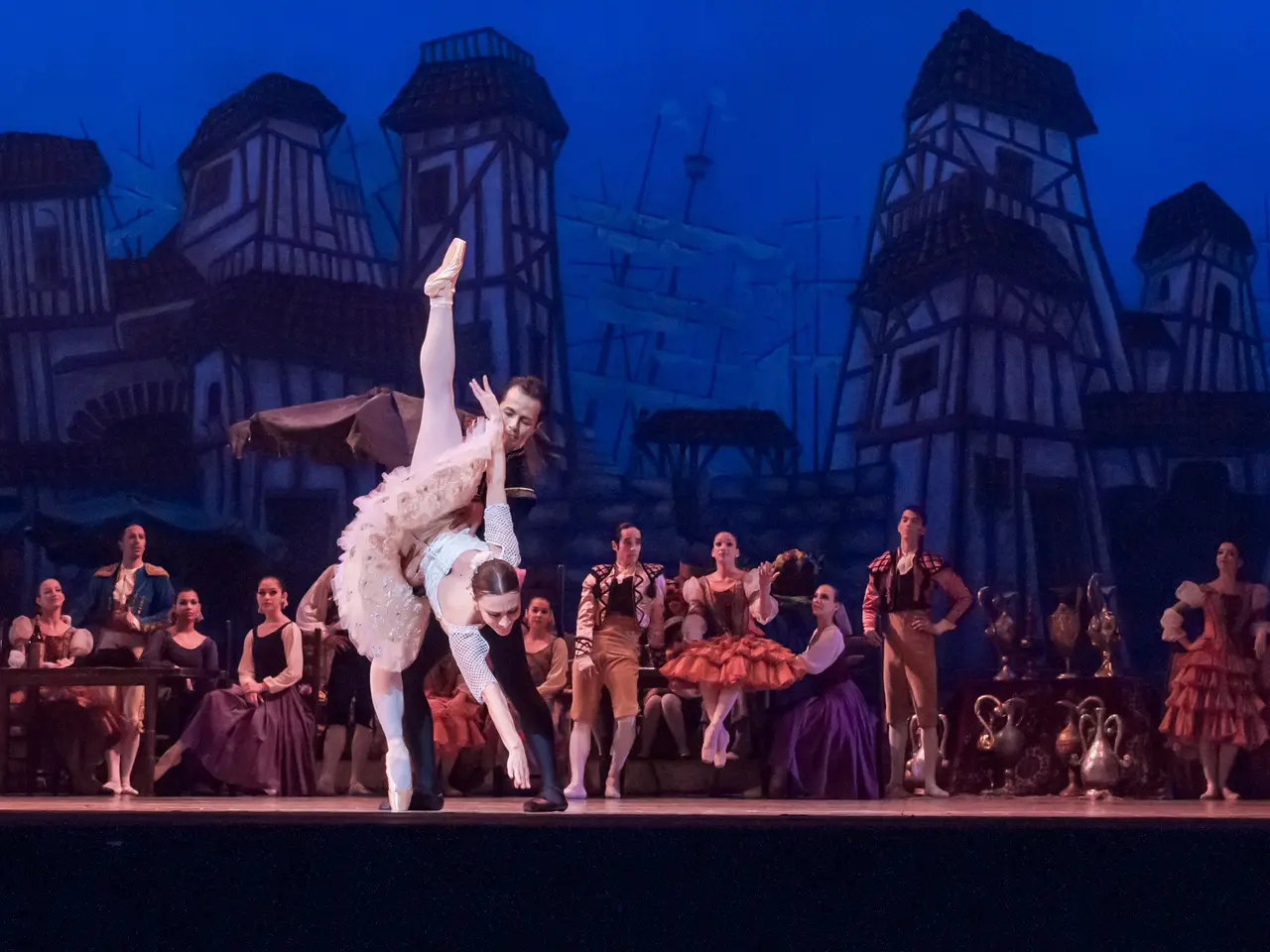
How a Mariinsky Theatre photographer captures ballet's fleeting magic
Ilya Korotkov, the in-house photographer for the Primorsky Stage of the Mariinsky Theatre, recently spoke at the Tretiakov Gallery in Vladivostok. He shared his journey from architecture to photography and explained the challenges of capturing live performances. Korotkov’s career shift began after studying under Rolf Gobits, a photographer known for candid shots and black-and-white work. Inspired by Gobits, he left architecture behind and pursued photography full-time. Other influences include Michael Kenna, Sarah Moon, Richard Avedon, and Alexey Brodovitch.
The Primorsky Stage became part of the Mariinsky Theatre in 2016, and five years later, Korotkov took on the role of in-house photographer. His work demands precision, as ballet photography requires a single frame to capture movement, emotion, and grace. He often photographs productions multiple times, balancing wide shots with close-ups to ensure both technical quality and emotional depth.
During performances, Korotkov dresses in all black to stay unnoticed. However, the bright stage lights remain a constant challenge. He also distinguished between a theater photographer—who documents productions—and a theatrical photographer—who interprets performances artistically.
For those starting out, Korotkov stressed the importance of learning from mistakes and persistent practice. His own path, from student to professional, reflects this dedication. Korotkov’s insights highlight the skill and patience needed in theater photography. His approach, shaped by mentors and experience, ensures that each shot preserves the artistry of live performances. The discussion at the Tretiakov Gallery offered a rare look into the demands and rewards of this specialised field.