How a 355-Sq-Ft Bangkok Condo Became a Zen-Inspired Haven
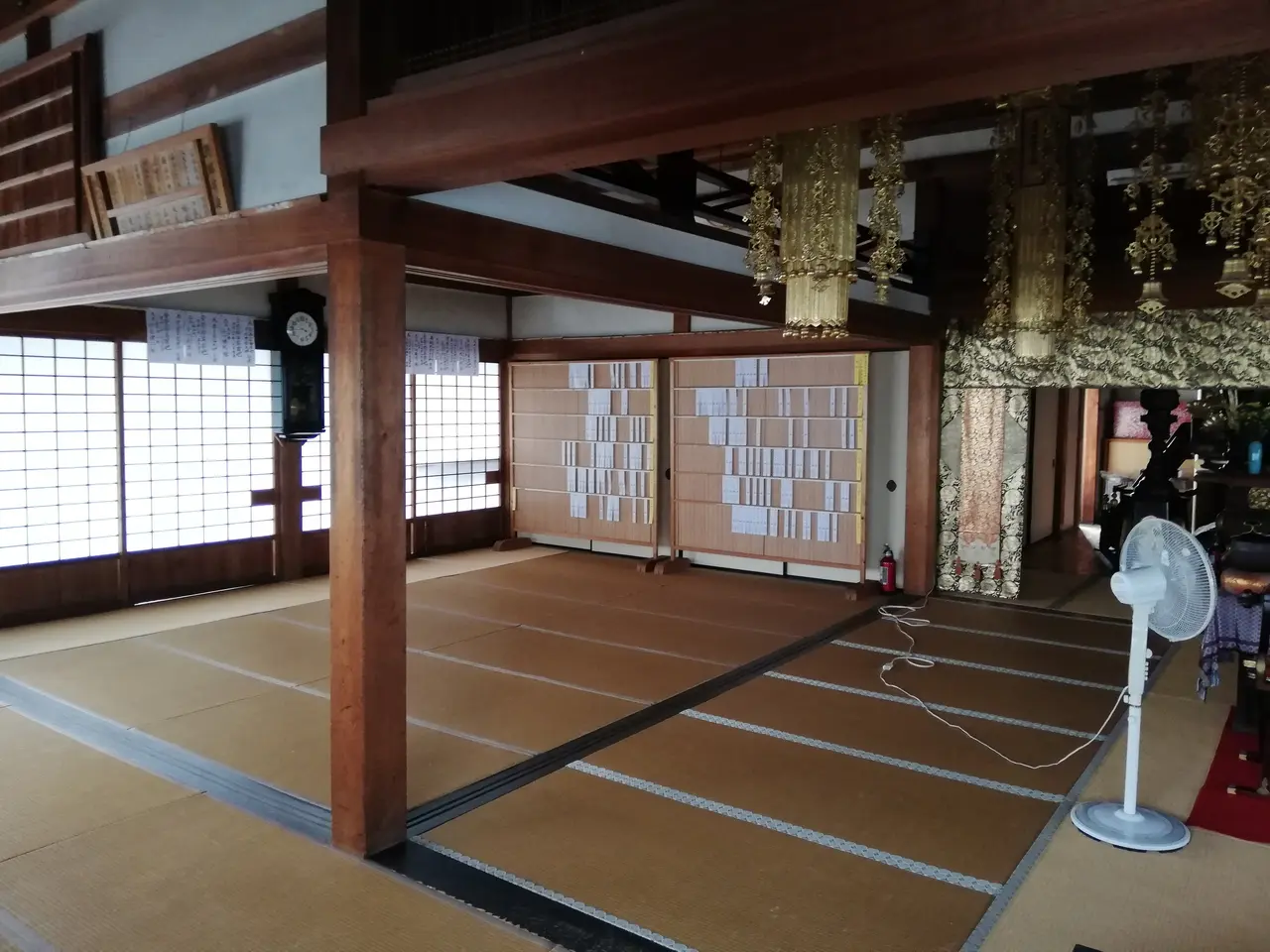
Bangkok's rapid urban growth has pushed many residents into smaller living spaces. Yet, creative design solutions are turning compact apartments into versatile, stylish homes. One such transformation comes from Mae Prachasilcha, who reimagined a 355-square-foot condo with Japanese-inspired efficiency. The condo's redesign took cues from traditional Japanese inns, blending minimalism with practicality. Sliding shoji doors now separate the living and sleeping areas while concealing a built-in wardrobe. A coffee table in the living room lifts to become a dining surface, and a custom media centre maximises storage without clutter.
The entrance leads into a well-organised space with hidden storage and a bright work desk. Though the kitchen remains unrenovated, it stays functional behind another sliding door. The overall layout creates a calm, zen-like atmosphere despite the limited square footage. Meanwhile, Bangkok's city planners are tackling broader urban challenges. Recently approved greening projects aim to boost green space per person and cut carbon emissions. With 90% of global urban population growth expected in developing cities, efficient infrastructure and smart design are becoming essential for climate resilience.
The condo's transformation shows how thoughtful design can make small spaces feel open and adaptable. As cities like Bangkok grow denser, such innovations help residents live comfortably while urban policies push for greener, more sustainable environments. The balance between personal living solutions and city-wide planning will shape how developing nations adapt to urbanisation.