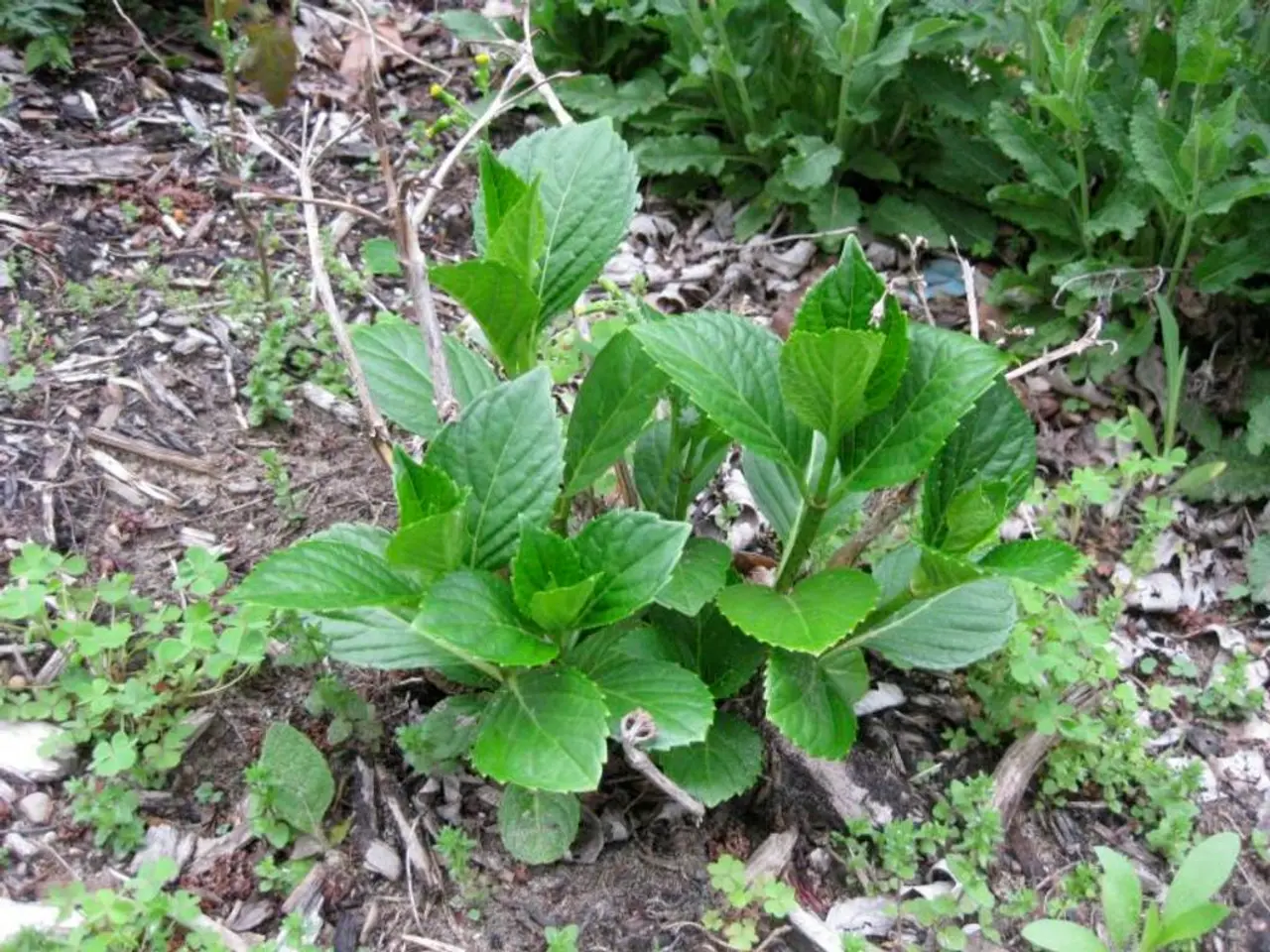
Household Collection of 32 Medicinal Herbs for Constant Use
In the pursuit of natural remedies, home gardens can be a treasure trove of medicinal plants. Here are 30 plants that offer a wide range of medicinal uses, based on recent authoritative sources.
- Jasmine
- Known for its mood-uplifting properties, jasmine can help relieve depression, anxiety, and promote sleep. It also aids digestive health and soothes muscle aches and cramps.
- Calendula (Marigold)
- Calendula, or marigold, is a versatile plant. It heals cuts, burns, and wounds, and treats skin conditions like rashes and acne. It also eases muscle spasms and painful menstruation, and improves oral health.
- Daisy
- Daisies stimulate digestion and treat gastritis, diarrhea, and constipation. They offer relief for menstrual cramps and urinary inflammation, and are used on wounds, eczema, and sore throat.
- Peppermint (Mentha × piperita)
- Peppermint is effective for digestion, IBS, nausea, and headaches. It also acts as a mild decongestant and mental stimulant.
- Chamomile (Matricaria chamomilla)
- Chamomile promotes relaxation, eases digestion, and acts as a mild sedative. It soothes conjunctivitis and is used in teas for stress relief.
- Lavender
- Lavender calms anxiety and promotes sleep. It is also used for skin healing and inflammation.
- Rose
- Roses are used in teas for relaxation and have antioxidant properties.
- Hibiscus
- Hibiscus supports cardiovascular health and is used for hypertension and digestion.
- Chrysanthemum
- Chrysanthemum has anti-inflammatory properties and is used in teas for fever reduction and respiratory ailments.
- Aloe Vera
- Aloe Vera treats burns, sunburns, and skin irritation. It supports digestive health when ingested carefully and has anti-inflammatory properties.
- Garlic
- Garlic has antimicrobial properties, supports heart health, lowers blood pressure, and boosts immunity.
- Ginger
- Ginger aids digestion, reduces inflammation, and provides pain relief.
- Echinacea
- Echinacea boosts the immune system and is used to treat colds and infections.
- Turmeric
- Turmeric has anti-inflammatory and antioxidant properties, and supports joint health and digestion.
- Lemon Balm
- Lemon balm calms the nervous system, relieves anxiety, aids digestion, and has antiviral properties.
- Thyme
- Thyme has antimicrobial properties and is used for respiratory infections, coughs, and skin issues.
- Basil
- Basil has anti-inflammatory and antibacterial properties, and helps digestion and respiratory health.
- Rosemary
- Rosemary improves circulation, is a memory enhancer, has antioxidant properties, and is anti-inflammatory.
- St. John's Wort
- St. John's Wort is used to treat mild to moderate depression and nerve pain.
- Sage
- Sage has antimicrobial properties, aids memory, treats sore throat, and helps with digestive issues.
- Dandelion
- Dandelion supports liver detox, is a diuretic, and improves digestion.
- Nettle (Stinging nettle)
- Nettle is used for diabetes support, is rich in iron, potassium, and calcium, and has anti-inflammatory properties.
- Chicory
- Chicory is traditionally used against constipation and indigestion, and improves soil health as well.
- Borage
- Borage is a source of anti-inflammatory gamma-linolenic acid, and its edible leaves can be used for garnishes. It enriches soil.
- Comfrey
- Comfrey is traditionally used externally for wound healing and bone/muscle injuries.
- Fenugreek
- Fenugreek aids digestion, supports lactation, and has anti-inflammatory properties.
- Marigold (distinct from Calendula)
- Marigold is often used for skin soothing and anti-inflammatory purposes.
- Lavender (reiterated for essential oil use)
- Lavender is widely used for relaxation and topical skin healing.
- Lemon Balm (for its calming and antiviral effects)
- Lemon balm is useful for stress relief and cold sores.
- Mint (General)
- Mint is a digestive aid, breath freshener, and has antimicrobial properties.
These plants cover a broad range of medicinal uses such as skin healing, digestive support, mental relaxation, anti-inflammatory effects, immunity boosting, and respiratory relief. Many can be grown easily in home gardens, offering fresh and natural remedies.
Note that some plants, like Aloe Vera, need careful preparation when ingested. Others spread aggressively (e.g., Peppermint) and may need containment.
This synthesis references the detailed properties and cultivation tips found in sources from July and August 2025, ensuring current recommendations.
New additions
- Great yellow gentian root
- The great yellow gentian root is a bitter herb used to treat digestive disorders and states of exhaustion from chronic diseases. It stimulates the liver, gallbladder, and digestive system, strengthening the overall human body.
- Khus khus
- Khus khus has anti-inflammatory and antiseptic effects that provide relief from inflammations in the circulatory and nervous system.
- Vitex Negundo
- Vitex Negundo, or the five-leaved chaste tree, is useful in treating sores and skin infections due to its anti-inflammatory, antibacterial, and antifungal properties.
- Khus khus oil
- Khus khus oil has a sedative effect and aids in the treatment of emotional outbursts, such as anger, anxiety, epileptic and hysteric attacks, restlessness, and nervousness.
- Marsh Mallow root
- Marsh Mallow root is taken internally to treat inflammations and irritations of the urinary and respiratory mucus membranes, counter excess stomach acid, peptic ulceration, gastritis, and is applied externally to bruises, sprains, aching muscles, insect bites, skin inflammations, splinters.
- Khus khus leaves
- The leaves of Khus khus can be added to salads, boiled, or fried. It is known to help out in the area of cystitis and frequent urination.
- To prevent septic in cuts from sharp instruments
- A mixture of 15 Bryophyllum leaves, four pepper corns, roasted, powdered, and mixed in cow ghee is applied to prevent septic in cuts from sharp instruments.
- For treating urinary stones
- Eating one raw Bryophyllum leaf with one pepper corn first thing every morning for 3 to 7 days cures urinary stones.
- For treating burns
- Burned Bryophyllum leaf (mashi) made into a paste with coconut oil cures burns.
- For treating stomach pain in infants
- Fomentation of RUVA leaves after application of castor oil relieves stomach pain in infants.
- For treating snakebites and scorpion stings
- Chinese Yam is applied to ulcers, boils, abscesses. The leaf is used to treat snakebites and scorpion stings.
- For treating headaches
- The tea tree leaves are used by the aborigines to relieve headaches.
- For treating gastrointestinal distress in humans and animals
- The branches and leaves of Sea Buckthorn are used in Mongolia to treat gastrointestinal distress in humans and animals.
- For treating cough and invigorating blood circulation
- Sea Buckthorn has been used throughout the centuries in China to relieve cough, aid digestion, invigorate blood circulation and alleviate pain.
- For treating muscle aches and joint pains
- Vitex Negundo relieves muscle aches and joint pains.
- For treating diabetes
- The leaf or juice of Bryophyllum is used to treat diabetes.
- For treating pooja of Shiva, Hanuman and Devi
- RUVA, Purple (Ekke, Rui, arka) Calotropis gigantea is used for pooja of Shiva, Hanuman and Devi.
- For treating colds, fever, exhaustion, stomach ulcers, cancer, metabolic disorders, liver diseases, inflammation, peptic ulcer, gastritis, eczema, canker sores, general ulcerative disorders, keratitis, trachoma
- Fresh sea buckthorn berry juice is known to be taken in the event of colds, fever, exhaustion, stomach ulcers, cancer, metabolic disorders, liver diseases, inflammation, peptic ulcer, gastritis, eczema, canker sores, general ulcerative disorders, keratitis, trachoma.
- For treating menopausal problems, geriatric debility, physical and mental stress, treat bone marrow suppression caused by chemotherapy or radiation, hypercholesterolemia and neurasthenia with headache, insomnia, poor appetite, increasing endurance, memory improvement, anti-inflammatory purposes, immunogenic purposes, chemoprotective purposes, radiological protection
- Siberian Ginseng has a wide range of health benefits, mostly as a powerful tonic herb that maintains good health.
- For treating common aches like toothache, earache, shoulder pain, and neuralgia
- The entire chamomile herb is used to treat common aches like toothache, earache, shoulder pain, and neuralgia.
- For treating diarrhea, gastrointestinal, dermatological disorders and topical compressions for rheumatoid arthritis
- The bark and leaves of Sea Buckthorn are used for treating diarrhea, gastrointestinal, dermatological disorders and topical compressions for rheumatoid arthritis.
- For lowering blood glucose levels
- Costus igneus, or insulin plant, is believed to lower blood glucose levels.
- For the treatment of sores, wounds, and burns
- The roots of Echinacea are beneficial in the treatment of sores, wounds, and burns.
- For treating tiredness, weight loss, loss of appetite, poor digestion, chronic diarrhea, asthma, dry coughs, uncontrollable urination, diabetes, emotional instability
- Chinese Yam is sweet and soothing to the stomach, spleen, and has a tonic effect on the lungs and kidneys. It is used internally to treat tiredness, weight loss, loss of appetite, poor digestion, chronic diarrhea, asthma, dry coughs, uncontrollable urination, diabetes, emotional instability.
- For treating vaginal discharge
- The herb is effective in treating vaginal discharge.
- For making chutneys or tamblis
- Bryophyllum leaves can be used raw for making chutneys or tamblis.
- For treating skin softeners
- Even the flowers of Sea Buckthorn are used as skin softeners.
These additional plants further expand the range of medicinal uses available from home gardens, offering a wealth of natural remedies for various ailments.
- Caring for a garden can lead to the cultivation of various healing plants that extend beyond the initial list.
- Great yellow gentian root is another bitter herb that strengthens the human body by stimulating the liver, gallbladder, and digestive system.
- Khus khus, with its anti-inflammatory and antiseptic properties, offers relief from circulatory and nervous system inflammations.
- Vitex Negundo, or the five-leaved chaste tree, is beneficial for treating sores and skin infections due to its anti-inflammatory, antibacterial, and antifungal properties.
- Khus khus oil has a sedative effect and aids in the treatment of emotional outbursts such as anger, anxiety, epileptic and hysteric attacks, restlessness, and nervousness.
- Marsh Mallow root is used to treat inflammations and irritations of the urinary and respiratory mucus membranes and is applied externally to treat bruises, aching muscles, and skin inflammations.
- Khus khus leaves can be added to salads, boiled, or fried and help relieve cystitis and frequent urination.
- To prevent septic in cuts from sharp instruments, a mixture of Bryophyllum leaves, pepper corns, and cow ghee can be applied.
- For treating urinary stones, eating one raw Bryophyllum leaf with one pepper corn every morning for 3-7 days can provide relief.
- Burned Bryophyllum leaf paste with coconut oil can heal cuts and soothe skin irritation.
- For treating stomach pain in infants, RUVA leaves can be fomentated after application of castor oil.
- Chinese Yam can be applied to ulcers, boils, and abscesses, and its leaf is used to treat snakebites and scorpion stings.
- The tea tree leaves are used by aborigines to relieve headaches.
- The branches and leaves of Sea Buckthorn are used in Mongolia to treat gastrointestinal distress in humans and animals.
- Sea Buckthorn has been used throughout the centuries in China to relieve cough, aid digestion, invigorate blood circulation, and alleviate pain.
- Vitex Negundo relieves muscle aches and joint pains.
- The leaf or juice of Bryophyllum is used to treat diabetes.
- RUVA is used for pooja of Shiva, Hanuman, and Devi.
- Fresh sea buckthorn berry juice is known to be taken in the event of colds, fever, exhaustion, stomach ulcers, cancer, metabolic disorders, liver diseases, inflammation, peptic ulcer, gastritis, eczema, canker sores, ulcerative disorders, keratitis, trachoma, menopausal problems, geriatric debility, emotional stress, bone marrow suppression caused by chemotherapy or radiation, hypercholesterolemia, neurasthenia with headache, insomnia, poor appetite, fatigue, memory improvement, anti-inflammatory purposes, immunogenic purposes, chemoprotective purposes, and radiological protection.
- Siberian Ginseng, a powerful tonic herb, maintains good health by treating a wide range of ailments such as tiredness, weight loss, poor digestion, chronic diarrhea, asthma, coughs, uncontrollable urination, diabetes, emotional instability, and other conditions.
- The entire chamomile herb can be used to treat common aches like toothache, earache, and neuralgia.
- The bark and leaves of Sea Buckthorn are used for treating diarrhea, gastrointestinal disorders, dermatological disorders, and topical compressions for rheumatoid arthritis.
- Costus igneus, or insulin plant, is believed to lower blood glucose levels.
- The roots of Echinacea are beneficial for treating sores, wounds, and burns.
- Chinese Yam is sweet and soothing to the stomach, spleen, and has a tonic effect on the lungs and kidneys, treating tiredness, weight loss, loss of appetite, poor digestion, chronic diarrhea, asthma, dry coughs, uncontrollable urination, diabetes, emotional instability, vaginal discharge, and skin softeners.
- Bryophyllum leaves can be used raw for making chutneys or tamblis, and even the flowers of Sea Buckthorn are used as skin softeners.