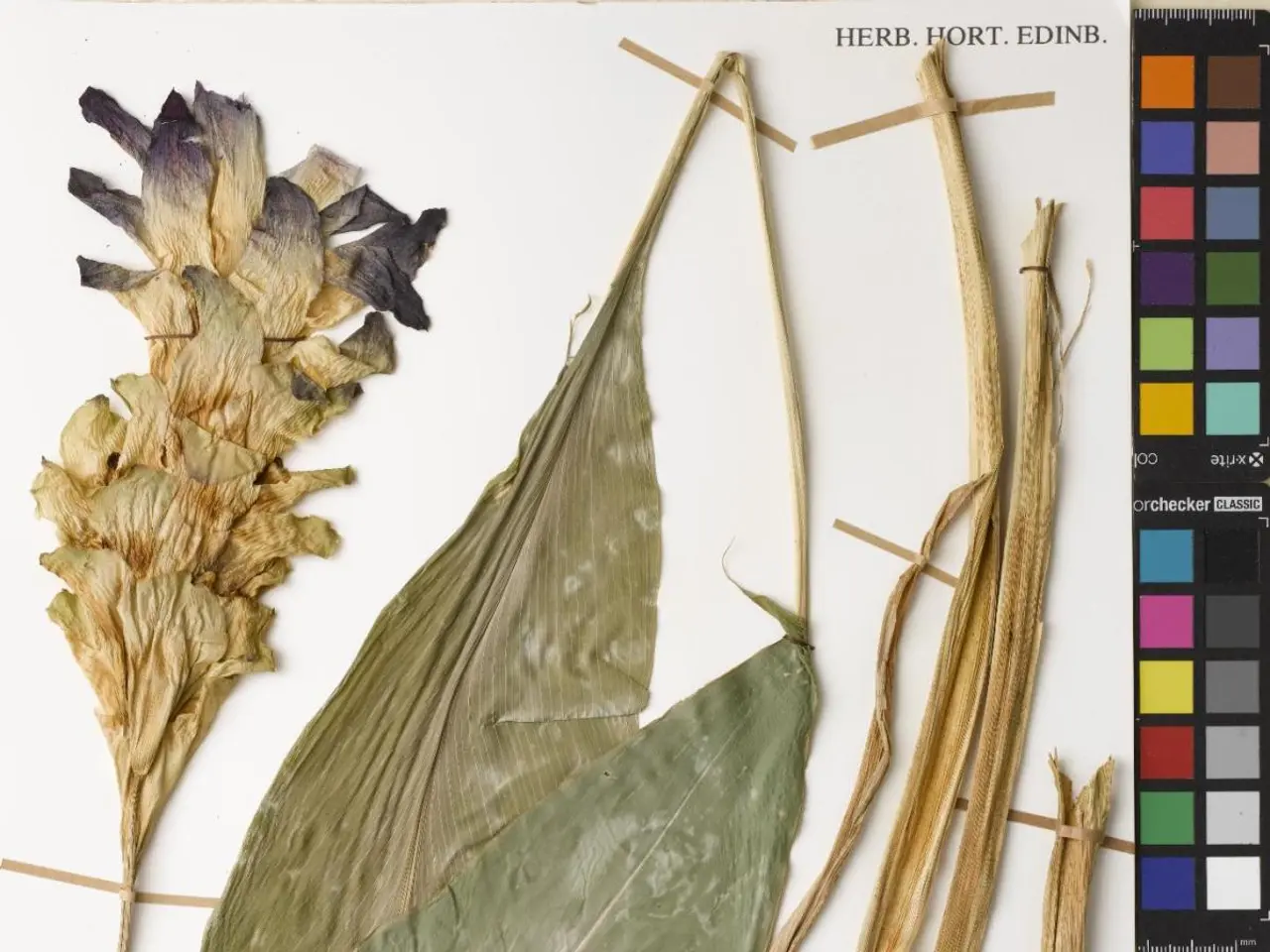
Hawaii’s loulu palms and canoe plants weave a story of survival and heritage
Hawaii’s native loulu palms and Polynesian-introduced canoe plants have deep roots in the islands’ history. These species arrived through different paths—some naturally evolved in Hawaii, while others were carried by early settlers. Their survival today depends on conservation efforts and thoughtful gardening choices.
Loulu palms, unique to Hawaii, evolved naturally across the islands. Among them, Thurston’s loulu stands out for its long flower clusters, while Pritchardia pacifica is known for its broad leaves, once used as sunshades and umbrellas. Pritchardia maideniana, however, is now rarely seen in the wild, unlike the more common Pritchardia thurstonii and Pritchardia pacifica. Some species, like the one named after George Schattauer, are being reintroduced on the Big Island to boost their numbers. These palms thrive in sunny, dry spots but can also grow at elevations up to 3,000 feet.
Early Polynesian voyagers brought essential plants to Hawaii between 300 and 800 CE. Known as canoe plants, these species—such as kukui, bananas, and ti—were vital for survival on new islands. The kukui nut tree, originally from Indonesia, provided oil and light, while ti plants and bananas offered food and materials. Other tough, easy-to-grow species like hala and noni also made the journey, proving resilient in Hawaiian gardens.
Over time, introduced animals have threatened native plants. Polynesian rats and pigs, along with later grazing animals, damaged loulu palm populations. Conservationists now encourage planting hardy canoe species to help preserve Hawaii’s botanical heritage.
Loulu palms remain a symbol of Hawaii’s natural history, while canoe plants reflect the resourcefulness of early Polynesian settlers. By growing these species in gardens, residents can support their survival. Efforts to distribute rare palms and protect existing ones aim to secure their place in Hawaii’s landscape for years to come.
Read also:
- GM’s Charlotte warehouse gets a high-tech overhaul for faster, safer operations
- Battersea Bridge to undergo 11-month safety overhaul for pedestrians and cyclists
- Hidden Exploitation Uncovered in UK’s Growing Nail Bar Industry
- Ian Lindo Honored as 2025 Military Child of the Year for Leadership and Service