Hawaii Unites Ancient Hoʻoponopono with Modern Conflict Resolution
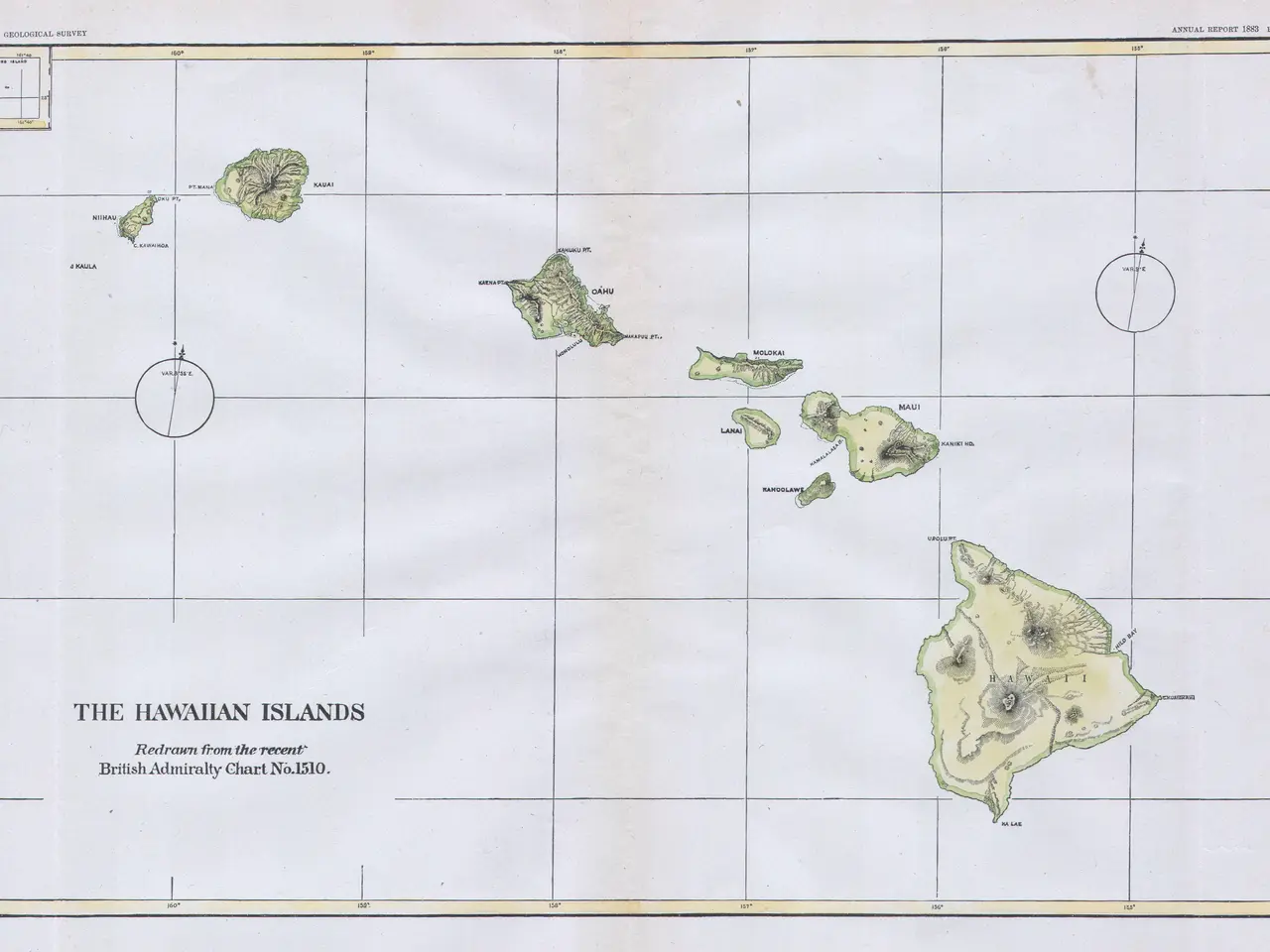
Hawaii is preparing to host a major gathering of conflict resolvers from around the world. The event aims to develop a modern peace and reconciliation process for the 21st century, drawing heavily on hoʻoponopono, an ancient Hawaiian practice for restoring harmony. The proposal involves bringing together local leaders, cultural elders, and global experts to create a framework that can be shared internationally, building on Hawaii's long-standing conflict resolution practices.
The idea draws heavily on hoʻoponopono, an ancient Hawaiian practice for restoring harmony. Originally used to resolve family and community disputes, the tradition focuses on correcting errors and balancing relationships. In the 20th century, Dr. Ihaleakala Hew Len, a Hawaiian psychologist, adapted these principles into a modern conflict resolution method.
While no specific institutions in Hawaii currently apply hoʻoponopono on a large scale, the state already has a strong network of mediation and peace-building organizations. These include the Mediation Center of the Pacific, the Matsunaga Institute for Peace, and the University of Hawaii's William S. Richardson School of Law.
To host the gathering, coordination will be needed between multiple groups. Key partners include the governor's office, the Office of Hawaiian Affairs, the state Legislature, and the Conflict Resolution Alliance. The state Judiciary's Alternative Dispute Resolution Center, the Kamakakuokalani Center for Hawaiian Studies, and respected kānaka (Native Hawaiian) elders and organizations will also play a central role.
Hawaii's natural environment and cultural values further strengthen its suitability as a host. The islands' history of reconciliation, combined with their existing infrastructure, positions them to offer conflict resolution services to the global community.
If successful, the gathering could establish Hawaii as a leader in modern peace-building. The event would blend traditional Hawaiian methods with contemporary conflict resolution techniques. Organizers hope the resulting framework will be adopted worldwide, expanding Hawaii's influence in international mediation efforts.