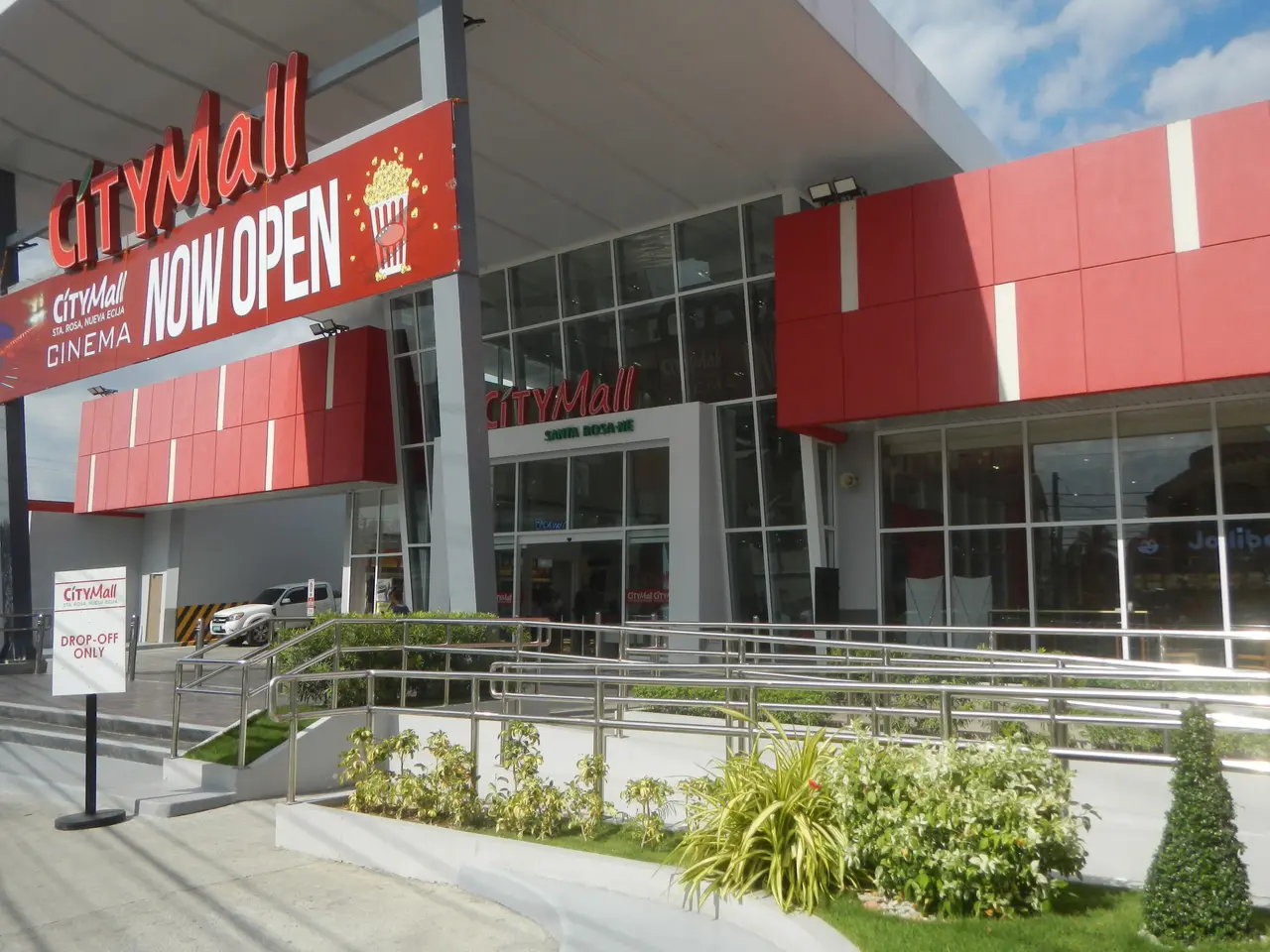
Ghost malls bloom into farms and wildlife havens across the US
Abandoned shopping centres, often called ghost malls, are finding new life across the US. Instead of sitting empty, these large spaces are being turned into green projects like farms and wildlife habitats. The shift aims to benefit both the environment and local communities.
Many cities are now exploring ways to reuse ghost malls for sustainable purposes. In places like Washington, Chicago, and Baltimore, officials offer tax incentives to encourage vertical farming in vacant buildings. These indoor farms use hydroponic systems, which cut water use and remove the need for pesticides.
Turning old malls into farms also creates jobs and lowers construction expenses. Unlike traditional farming, indoor setups allow for year-round food production. This approach helps cities reduce the urban heat island effect, keeping temperatures cooler for residents during heat waves. Some ghost malls are becoming green spaces instead. Wetlands and wildlife habitats replace empty parking lots and corridors, giving nature a chance to thrive. However, no US city has yet converted a ghost mall into an indoor farm specifically for environmental benefits. Public backing remains key to making these projects successful in the long term.
Repurposing ghost malls brings both economic and environmental advantages. Indoor farms provide fresh food while reducing resource use, and green spaces improve local ecosystems. As more cities adopt these changes, the impact on communities and sustainability continues to grow.
Read also:
- GM’s Charlotte warehouse gets a high-tech overhaul for faster, safer operations
- Battersea Bridge to undergo 11-month safety overhaul for pedestrians and cyclists
- Hidden Exploitation Uncovered in UK’s Growing Nail Bar Industry
- Ian Lindo Honored as 2025 Military Child of the Year for Leadership and Service