What daily showering or bathing really costs us - Germans slash bathroom costs as inflation tightens household budgets
Rising living costs are pushing German households to cut back on everyday expenses. One area under scrutiny is bathroom water use, where small changes could lead to noticeable savings. With inflation squeezing budgets, many are now rethinking how they shower and bathe to reduce both water and energy bills.
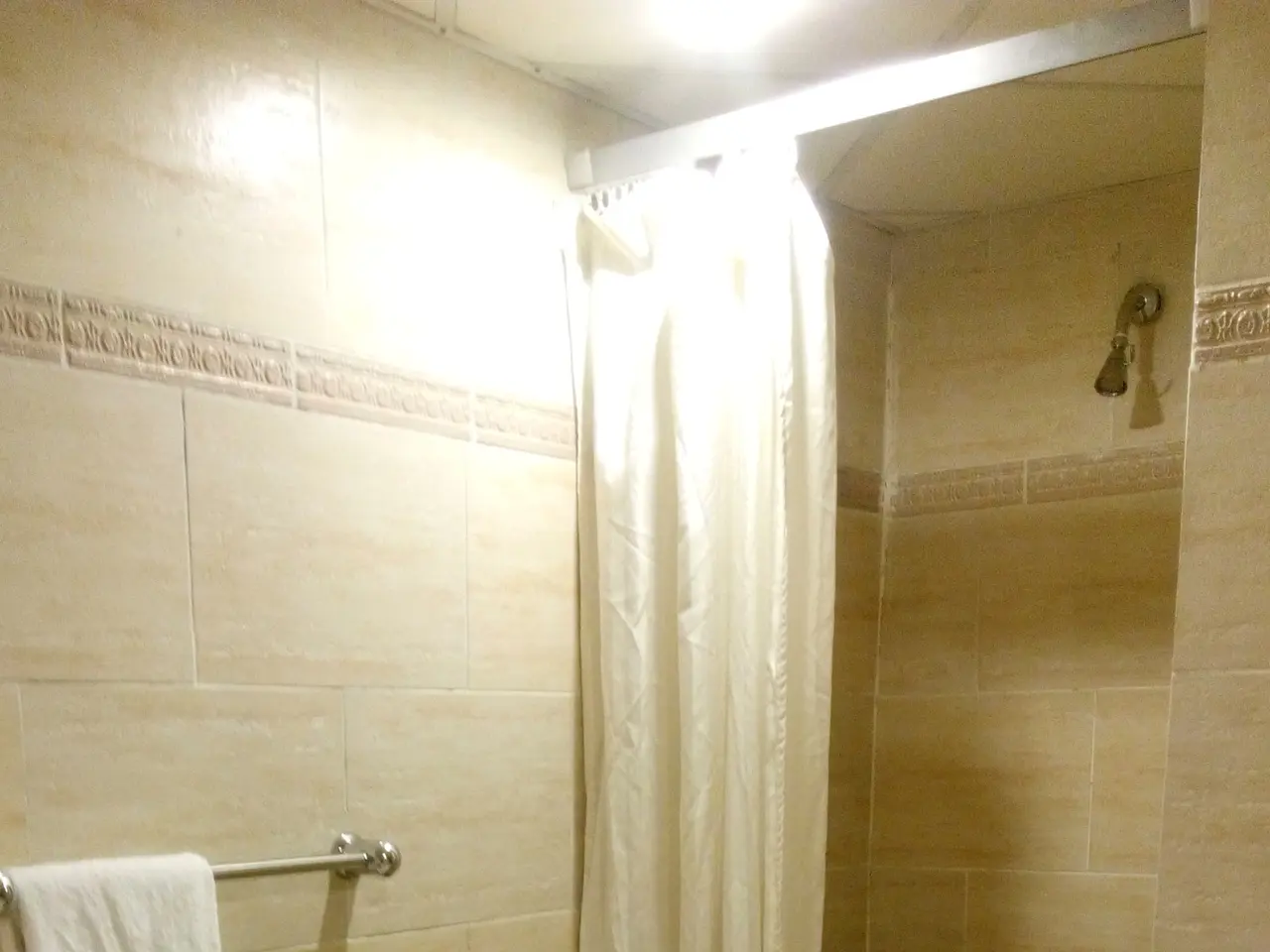
The average person in Germany uses about 125 litres of drinking water daily, with a large share going towards showers and baths. A typical shower lasts eight to ten minutes and consumes between 100 and 150 litres of water. The water itself costs roughly 50 to 90 cents per shower, but heating it adds another euro or more.
A full bath is even pricier, with each one costing between €1.70 and €4. Over a year, a two-person household spends around €880 on showers and €1,390 on baths. These figures reflect water prices from before 2020, when the average cost was about €3.44 per cubic metre. Recent regional data, such as wastewater charges in North Rhine-Westphalia, suggests prices have remained relatively stable despite inflation.
To save money, experts recommend shorter showers, installing water-efficient showerheads, and lowering the water temperature. Turning off the tap while soaping up and checking heating systems for efficiency can also help. With water and wastewater bills becoming a growing concern, these adjustments offer practical ways to trim expenses.
Households looking to reduce costs can start by making simple changes in the bathroom. Cutting shower time, upgrading fixtures, and adjusting water temperatures could lower annual bills by hundreds of euros. As inflation continues to affect budgets, these measures provide a clear path to savings without sacrificing comfort.