Ever borrowed an ice cream maker from the library? - German Libraries Now Lend Tools, VR Gear, and Party Supplies
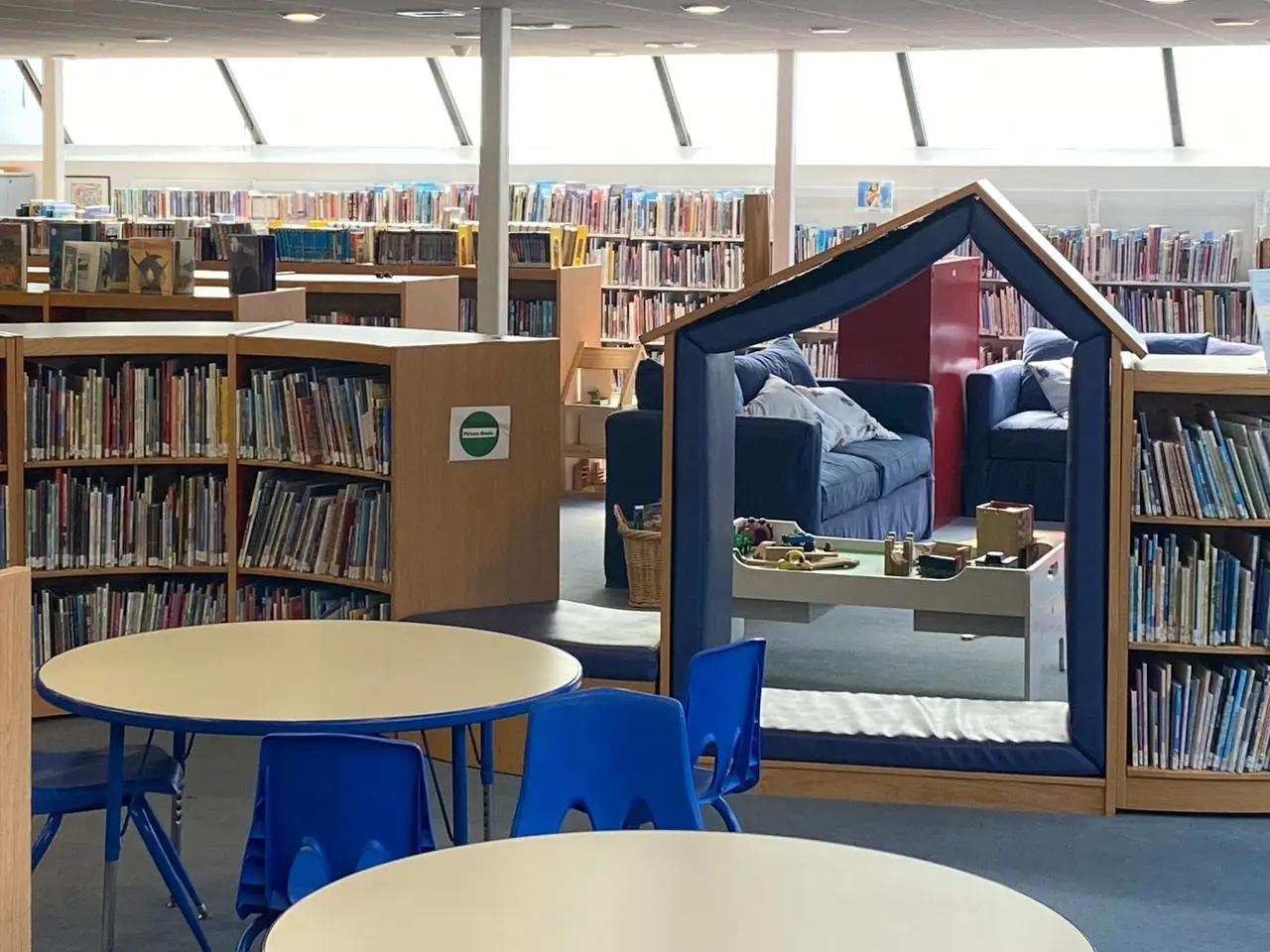
Public libraries across Germany are expanding their services beyond books. Many now lend out tools, machinery, and even party equipment. This shift aims to attract new visitors while promoting sustainability and community support.
The trend, known as 'Libraries of Things,' is growing fast. From VR headsets to ice cream makers, these libraries offer items that people may not want to buy outright.
The idea of borrowing everyday objects is gaining popularity for several reasons. Some people lack storage space, while others want to test an item before buying. Financial constraints and environmental concerns also play a role.
Public libraries have started listing their expanded inventories online. In Berlin, nearly all public libraries with Maker-Spaces now provide VR glasses and 3D printers. By 2026, at least 14 libraries in the Mainz diocese will follow suit. Similar projects are already running in Dortmund, Weiden, and the Dietrich-Bonhoeffer-Bibliothek.
Private groups are joining the movement too. The 'WasmitHerz' association and the Lending Club allow people to borrow items, reinforcing sustainability and community bonds. The Lending Club, in particular, appeals to younger members—mostly under 40—who value eco-friendly living. Their collection includes over 150 items, from party tents to standing tables, with most being secondhand donations or long-term loans.
These new services are changing how people view libraries. Instead of just books, they now offer practical tools and gadgets. This approach helps libraries reach audiences who might not have visited before.
Popular borrowed items include mini projectors, ice cream makers, and VR headsets. The online listings make it easier for people to find what they need, further boosting the trend's appeal.
The rise of 'Libraries of Things' reflects a broader shift toward sharing resources. Libraries and private groups are making it simpler for people to access tools and equipment without buying them. This model supports sustainability while bringing in new visitors who might not have used library services before.