Europe's rarest wild cat fights extinction with fewer than 50 Balkan lynxes left
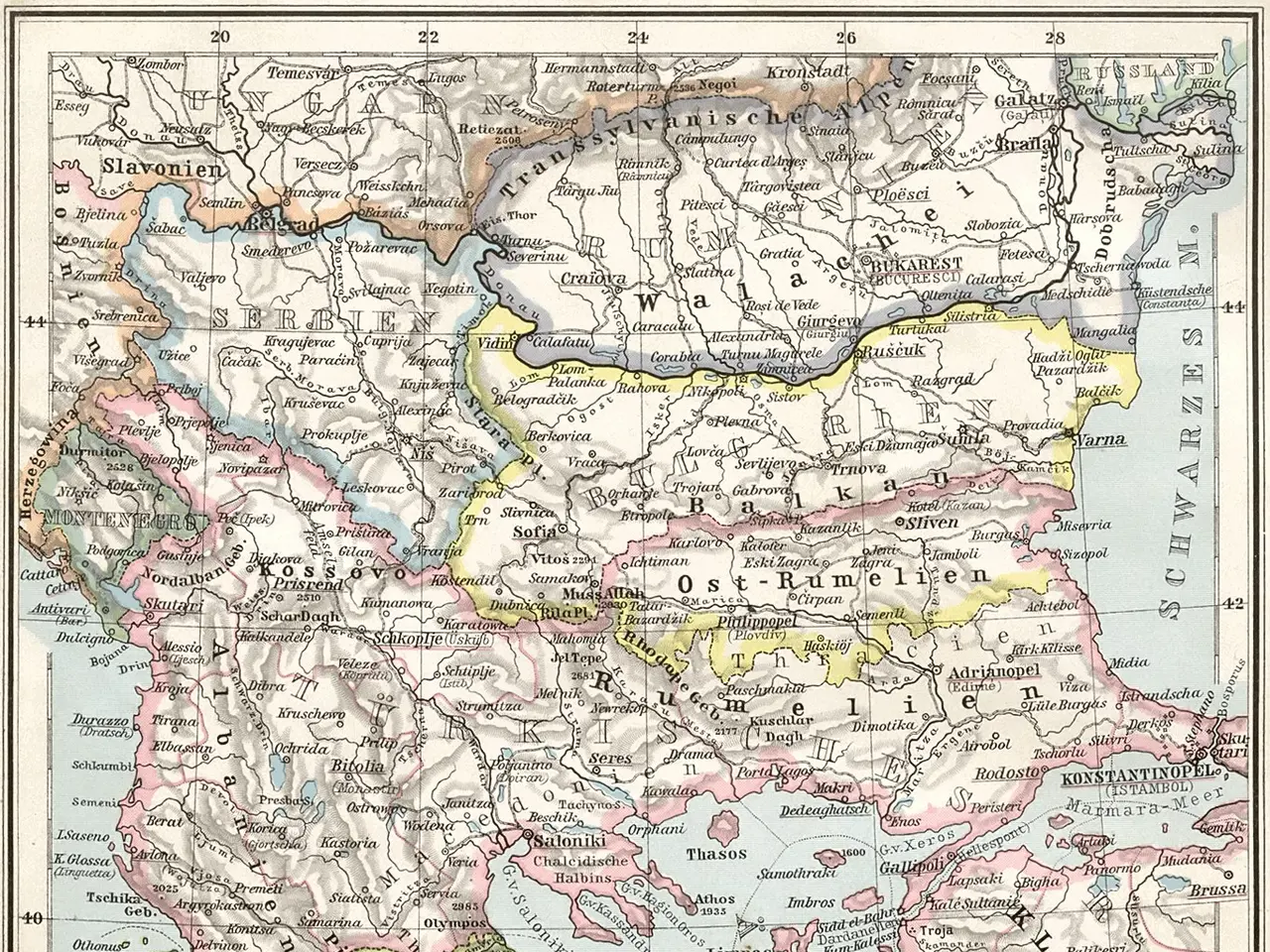
The Balkan lynx, one of Europe's rarest wild cats, now clings to survival with fewer than 50 individuals left. This critically endangered subspecies roams only a small border region covering North Macedonia, Albania, and western Kosovo. Despite decades of decline, recent conservation work has offered a glimmer of hope for its fragile population.
The Balkan lynx (Lynx lynx balcanicus) once thrived across the Balkans, but its numbers began falling in the 18th century. By the late 1930s, fewer than 20 remained, and another sharp decline in the 1980s pushed the subspecies to near extinction. Today, it is legally protected under the Bern Convention's Annex II, yet threats persist from poaching, mining, and habitat loss.
Physically smaller than other Eurasian lynx, adults typically weigh 18 to 25 kilograms and measure 80 to 130 centimetres long. Many lack the usual dark spots, making them distinct. In North Macedonia, the species holds cultural significance as the national animal, even appearing on the 5-denar coin. Over the past 15 years, conservation efforts have expanded its habitat by 20–30% through new protected areas like Mavrovo National Park and Kunë-Vjosë. However, industrial projects—such as Kosovo's highways and mining—have still destroyed 10–15% of its forest home. Temporary bans on hunting and logging in Albania, alongside community education, aim to slow further losses.
The Balkan lynx remains one of the most endangered lynx subspecies, confined to a fragmented border region. While habitat gains from conservation have offset some losses, ongoing industrial expansion and illegal hunting continue to threaten its survival. Without sustained protection, the subspecies could face irreversible decline.