Egypt's Legendary Cotton Industry Faces a Steep Decline in Production
Egyptian cotton has long been prized for its luxury and high-quality bedding. Yet over the past two decades, its production in Egypt has sharply declined. Factors like water shortages, shifting crop priorities, and lower profits have cut the country's output by more than half.
Between 2006 and 2026, the land used for growing Giza Egyptian cotton—known for its extra-long staple fibres—shrunk from 4,000–5,000 hectares to just 1,500–2,000 hectares. Annual harvests fell from 10,000–15,000 metric tons in the early 2000s to 3,000–5,000 tons today. Egypt's share of the global extra-long staple cotton market also dropped from 10–15% to around 5–7%, according to the Egyptian Cotton Association and ICAC data.
Despite the decline, Egyptian cotton sheets remain sought after for their durability, breathability, and softness. Dr. Jane Wood, a researcher at The University of Manchester, recommends checking fibre length, yarn quality, weave, and fabric finish when choosing them.
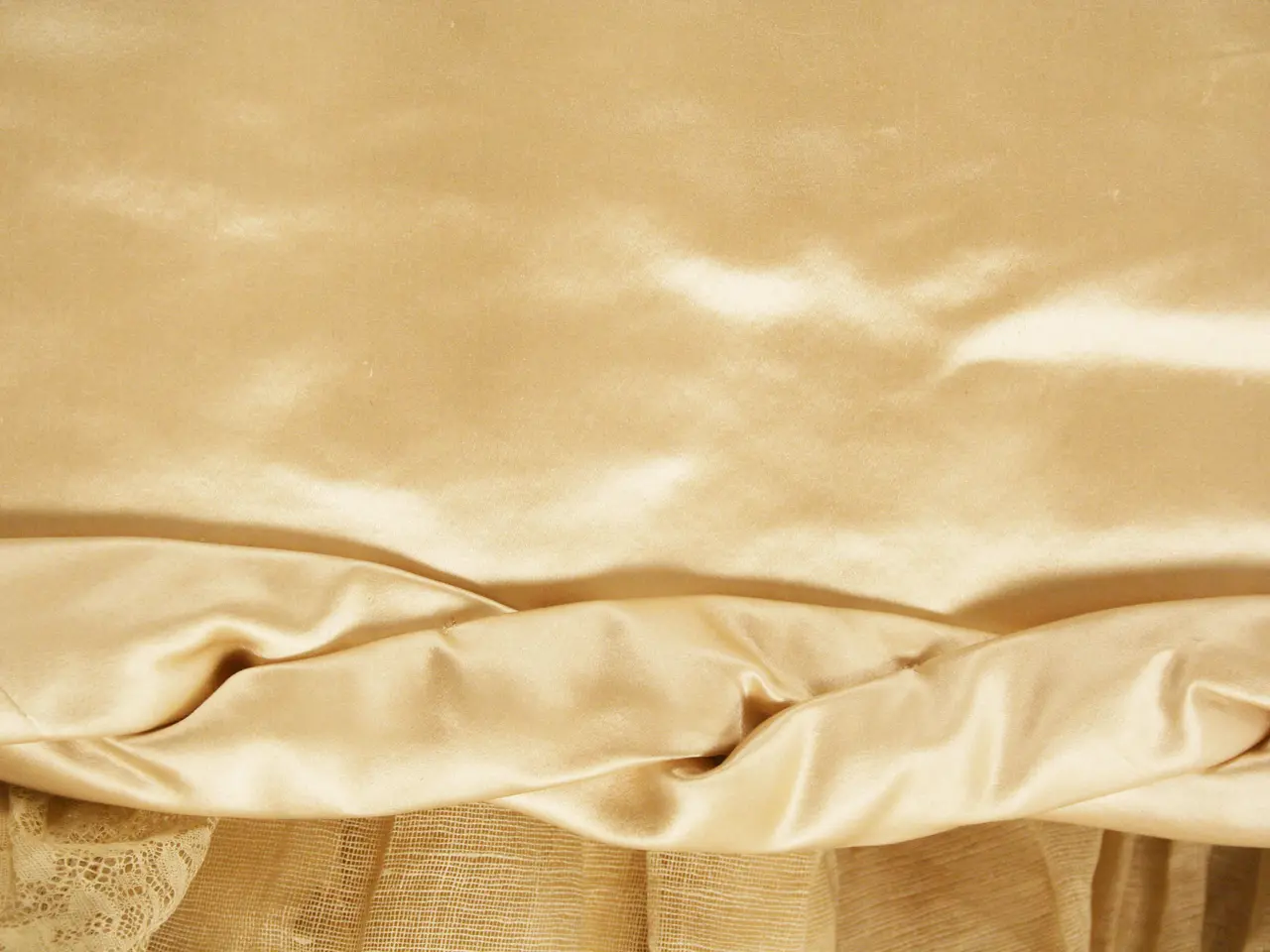
One standout product is the Pure Parima Yalda Sheet Set. Made from extra-long staple Giza cotton, it features a buttery-soft sateen weave and fits mattresses up to 18 inches tall.
The decline in Egyptian cotton production has not diminished its reputation for quality. Products like the Pure Parima Yalda Sheet Set continue to highlight its premium characteristics. For buyers, attention to fibre details and weave ensures the best experience with these high-end sheets.