Early Lambing Season for Heidschnucken in Doehle - Early Lambing Season Tests Shepherds as Wolves Lurk in Lüneburg Heath
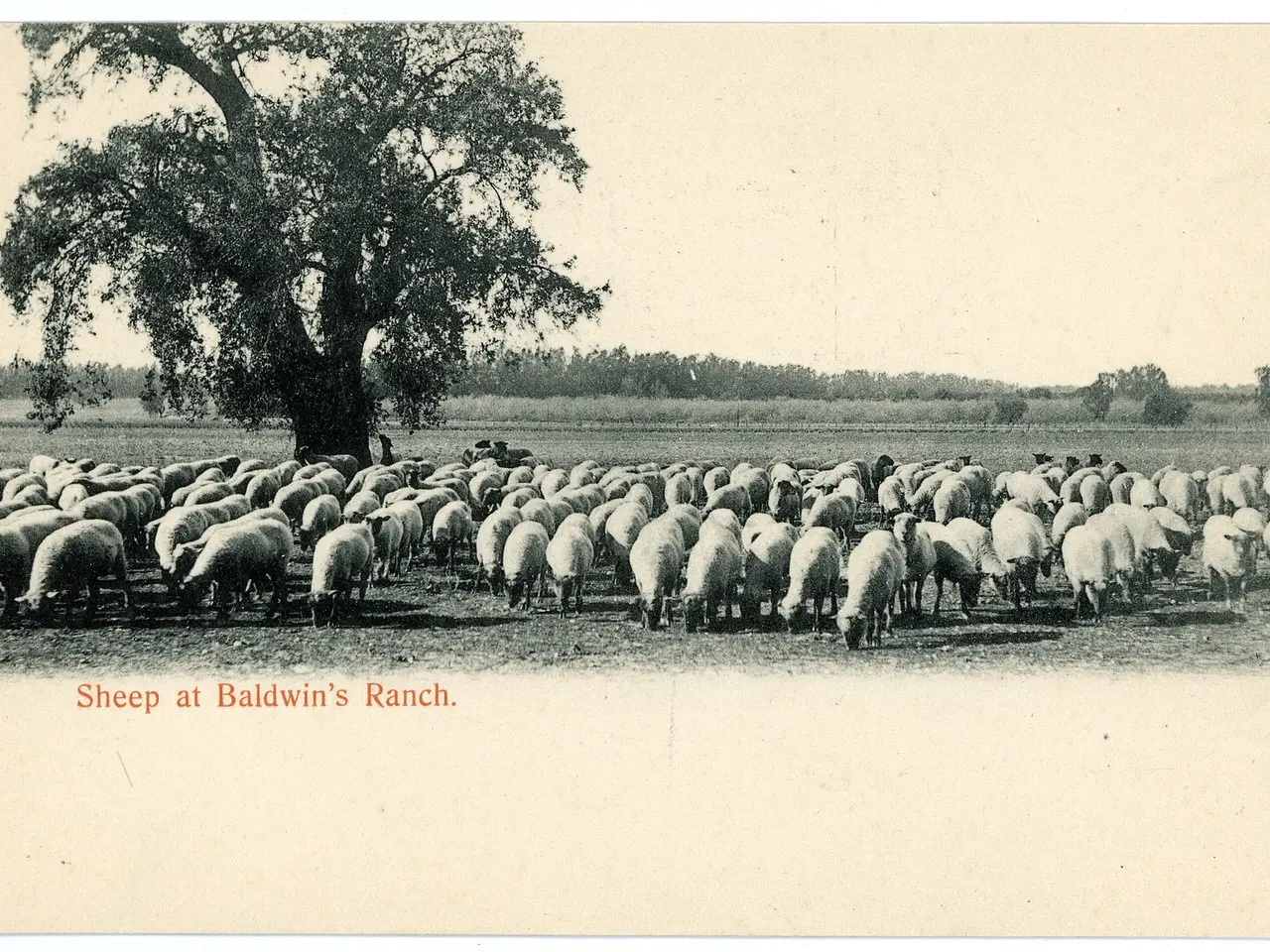
Lambing season has begun early in the Lüneburg Heath, marking the busiest time of year for local shepherds. In Döhle, the first 170 lambs from 130 ewes have already arrived, with many more births expected in the coming weeks. The work is relentless, as shepherds monitor ewes around the clock to ensure safe deliveries.
Yet this season also brings added pressure from an old threat: wolves. As attacks on livestock rise, the German government is considering stricter rules for culling wolf packs to protect flocks like those in Döhle.
The lambing season in Döhle started sooner than usual this year. Since early January, between seven and fifteen Heidschnucke lambs have been born each day. Twin births are common, though triplets remain rare.
Shepherds Josefine Schön and Clemens Lippschuss have now completed half of their annual lambing workload. Their days are structured in shifts, ensuring someone is always present for each birth. With 130 pregnant ewes still to give birth, the work will continue non-stop for weeks. Beyond lambing, the shepherds also prepare for the future. Their best 18-month-old rams will be sent to the annual auction in Muden/Örtze this July. The event is a key date in the shepherding calendar, where top breeding stock is sold to other farmers. However, the season is not without its dangers. Wolves have long been a risk to sheep in the region, and recent attacks have heightened concerns. In response, the German government has announced plans to lower the legal thresholds for culling wolves. The move aims to reduce livestock losses but has sparked debate among conservationists and farmers alike.
The early start to lambing in Döhle means shepherds face a longer, more intense season than usual. Over 300 lambs are expected by the time the last ewes give birth. Meanwhile, changes to wolf management policies could bring relief to farmers—but may also reshape the region’s delicate balance between wildlife and agriculture.