Ditch the Mower: How Pollinator Lawns Save Time, Water and Wildlife
Many homeowners spend considerable time and money keeping their lawns green and tidy. But traditional turfgrass demands frequent mowing, watering, and fertilising—especially in hot summers when it often turns brown. Now, alternatives like pollinator-friendly lawns and groundcovers are gaining attention for their lower upkeep and wildlife benefits. Traditional lawns in regions like Iowa rely on turfgrasses that need constant care. These grasses often go dormant in summer heat, leaving patches of dry, brown grass. Replacing them with pollinator lawns—mixing turfgrass with flowering plants—can cut maintenance while supporting bees and butterflies.
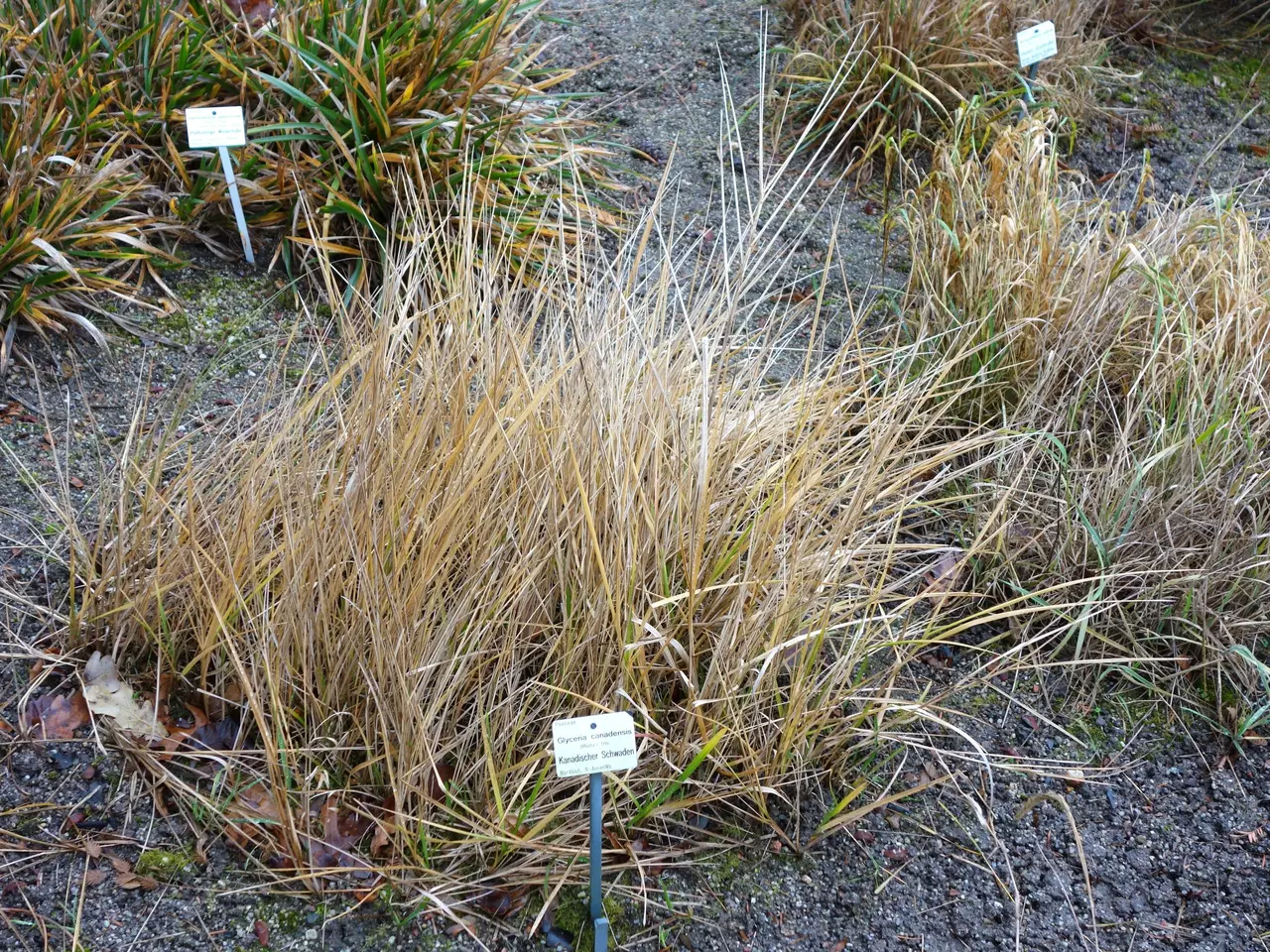
Groundcovers and meadow-like plants offer another solution. Options such as fine fescue blends, buffalo grass, and Dutch white clover need far less water and mowing. Wildflower mixes with black-eyed Susan, purple coneflower, and bee balm further boost biodiversity. Studies from universities like Penn State show these alternatives improve soil health and reduce costs. For larger spaces, prairies and meadows can replace unused turf areas. These require minimal upkeep and provide habitats for native wildlife. Even small changes, like reducing mowing or adding garden beds, help pollinators and cut maintenance time.
Switching from traditional lawns to pollinator-friendly or low-maintenance alternatives saves water, time, and money. These options also create healthier soil and support declining bee and butterfly populations. With proven benefits, more homeowners may soon opt for greener—and easier—landscaping choices.