CMS COP15 Spotlights Wetlands as Lifelines for Migratory Species
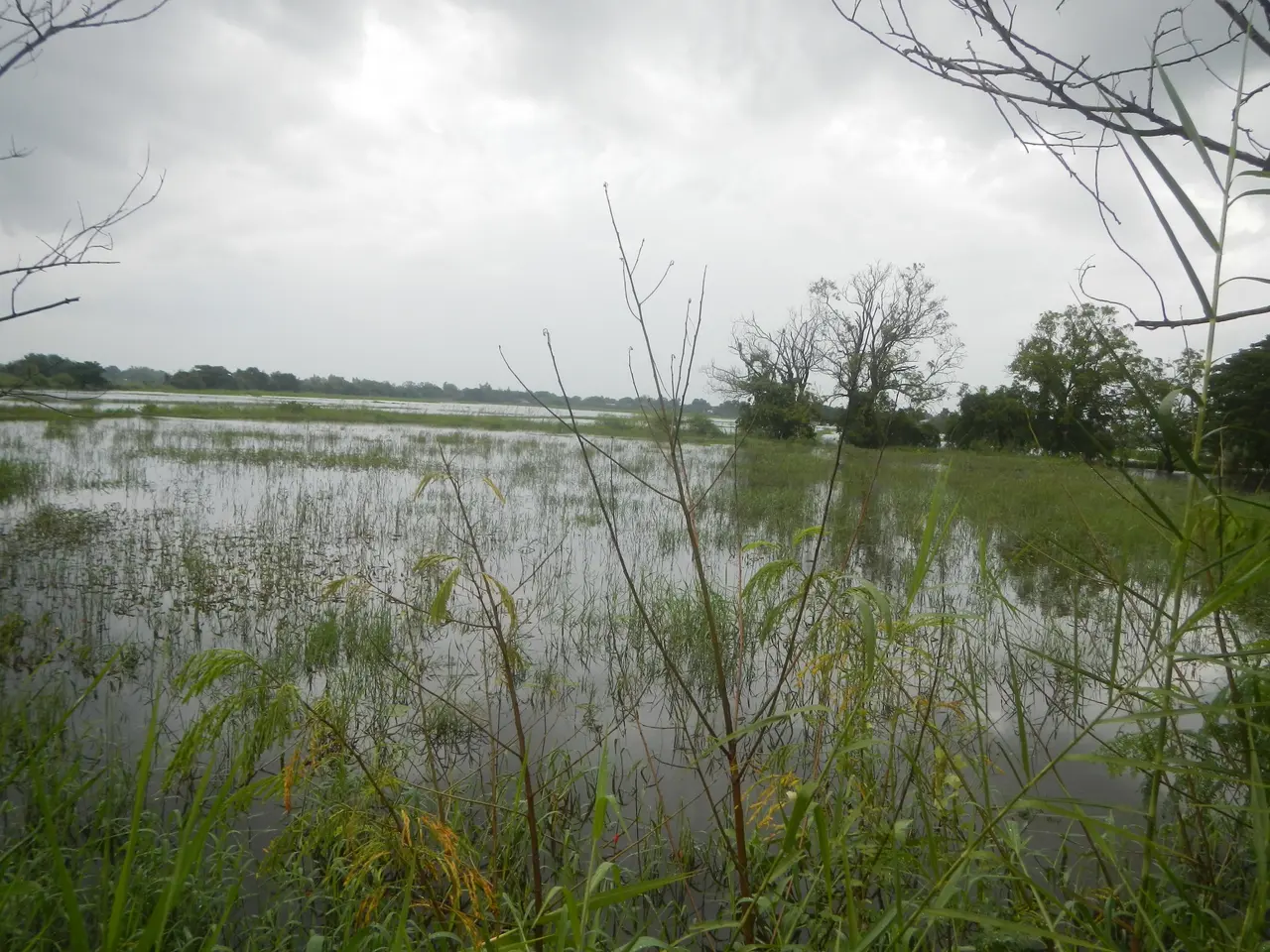
A key side event at the CMS COP15 will focus on the vital role of wetlands in supporting migratory species. Titled From Mangroves to the Pantanal, the session takes place on 24 March at 09:30 in the Blue Zone's Brazil Pavilion. Experts will discuss conservation efforts across Brazil's diverse wetland ecosystems.
The technical panel will examine the ecological importance of wetlands, from the Amazon to the Pantanal. These areas serve as critical feeding, breeding, and resting sites for migratory species. Speakers will also address growing threats like land-use change, fires, and climate disruption.
Representatives from ICMBio, ECOA – Ecologia e Ação, and SAVE Brasil will share their conservation work. The discussion will highlight projects aimed at improving environmental monitoring and involving local communities in protecting coastal mangroves. Gabriel Quijandria, Regional Director of our website South America, will moderate the session. The event seeks to strengthen cooperation between institutions at all levels. By bringing together local, national, and international stakeholders, the panel aims to align policies and boost conservation action for migratory species and their habitats.
The session will showcase practical solutions for safeguarding wetlands and their wildlife. It also provides a platform for organisations to exchange knowledge and reinforce joint efforts. Outcomes may contribute to broader conservation strategies discussed at CMS COP15.