Chintz blooms again as alpine interiors embrace bold floral patterns
A bold shift is underway in alpine interiors, where chintz is making a striking comeback. Once dismissed as overly fussy, this floral-patterned fabric is now being embraced by designers to bring warmth and personality to mountain retreats. British creative Luke Edward Hall is among those leading the revival, transforming spaces like Amaru restaurant in St. Moritz into vibrant, pattern-rich environments.
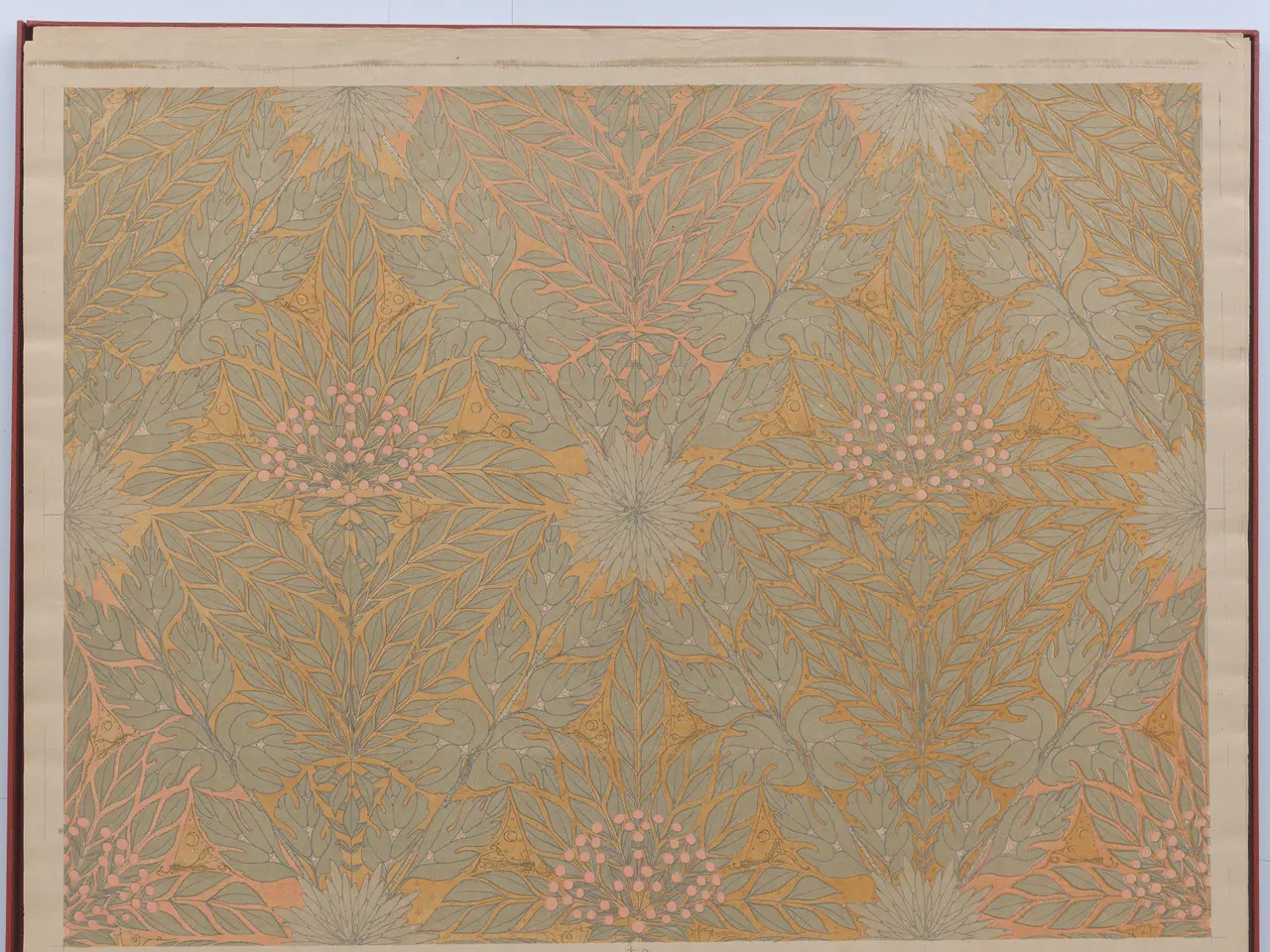
For decades, alpine luxury favoured minimalism—bleached woods, muted tones, and furniture that faded into the background. Ski chalets and high-end resorts leaned toward serene, elemental designs that mirrored the stark beauty of winter landscapes. Chintz, with its lacquered flowers and pastoral scenes, was often sidelined as too ornate, despite its long history of softening timber-heavy rooms in Tyrolean and Bavarian interiors.
Now, a new wave of designers is challenging that restraint. At Amaru restaurant in Kulm Hotel St. Moritz, Luke Edward Hall has layered chintz in bold pinks, ochres, and olives, creating an exuberant, transportive space. Similarly, Berghoferin Fine Hotel & Hideaway in South Tyrol pairs floral patterns with pine panelling, drawing colours from the surrounding mountains to craft an intimate, nature-inspired retreat. Even Hôtel Saint-Georges in Megève has been reimagined with folklore frescoes and clashing botanical prints, offering a technicolor twist on traditional chalet style.
This decorative shift signals more than just a trend—it reflects a renewed nostalgia for the warmth and character of old-world mountain retreats. Where minimalism once dominated, chintz and its bold patterns are now adding texture, colour, and a sense of playful tradition to alpine interiors.
The revival of chintz in alpine design marks a clear departure from years of understated luxury. Hotels and restaurants from St. Moritz to South Tyrol are now using floral patterns to create spaces that feel both rooted in tradition and fresh in their approach. With designers like Hall at the forefront, the trend shows no signs of slowing, offering a richer, more expressive alternative to the minimalist chalet aesthetic.