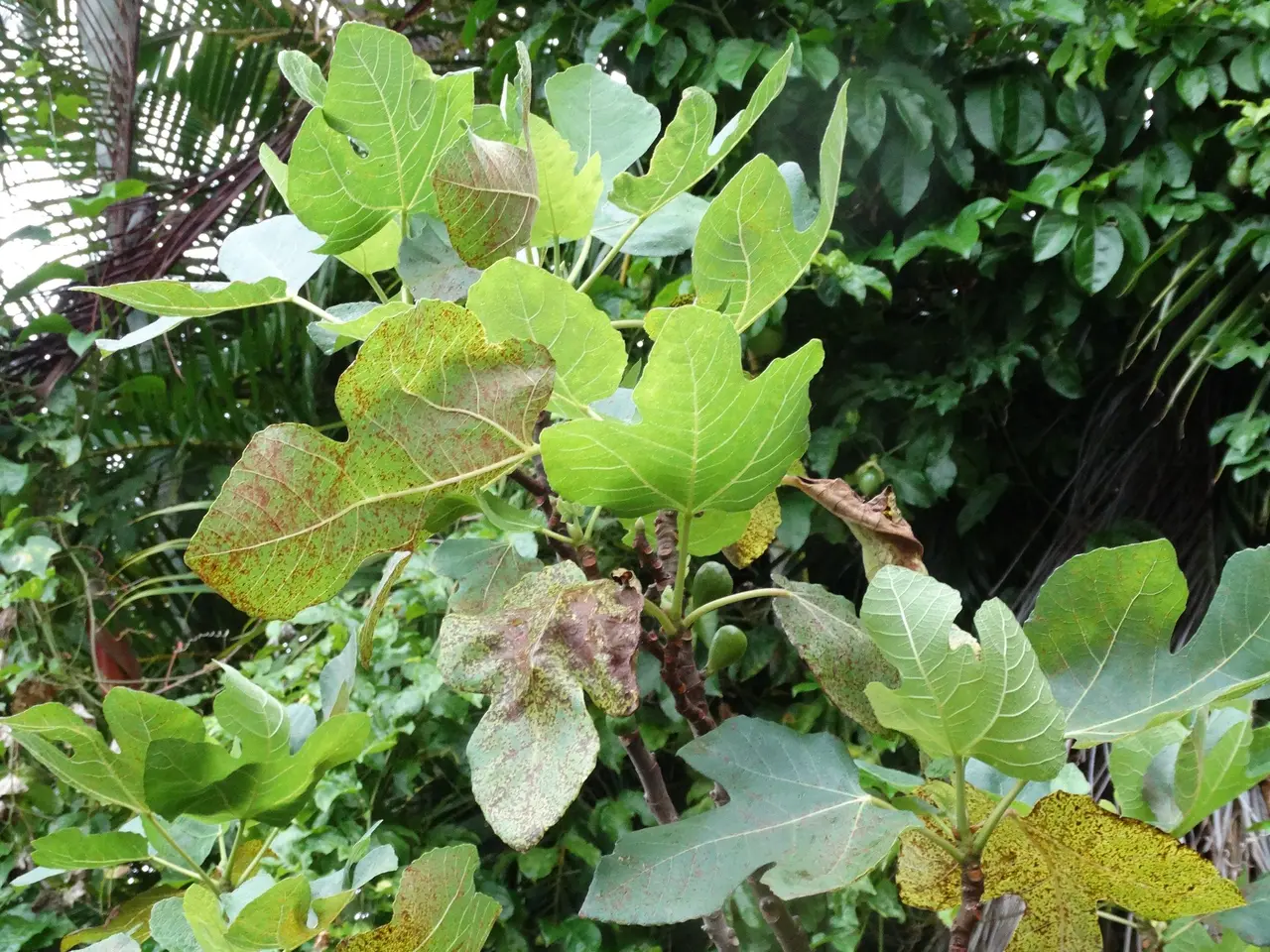
Chicago Hardy Fig Thrives Where Others Freeze—Down to -12°C
The Chicago Hardy fig is one of the toughest fig varieties available. Unlike most fig trees, it thrives in cold climates, surviving temperatures as low as -12°C. Originally from the Mediterranean and southwest Asia, this hardy plant has become a favourite for gardeners in cooler regions. The common fig, Ficus carica, usually prefers warm weather. But the Chicago Hardy fig breaks that rule. It grows well in USDA zones 5 to 10, making it the most cold-resistant fig tree on the market. Its stems withstand down to 10°F (-12°C), while its roots survive even harsher conditions—down to -20°F (-29°C).
In milder zones like 6 and 7, the tree still needs some protection. A sheltered spot or extra winter covering helps it through freezing spells. Despite its toughness, it remains versatile. Gardeners can let it reach up to 30 feet (9 m) tall or prune it to a compact 6 feet (2 m) for smaller spaces. This fig adapts well to containers, making it ideal for patios or urban gardens. Once established, it handles drought without fuss. Its fruit appears twice a year—first on older branches in early summer, then on new growth in early autumn. Each tree can yield up to 100 pints (47 L) of figs per season. The ripe fruit turns a deep mahogany, standing out against the green leaves. Pests rarely bother it, adding to its low-maintenance appeal.
The Chicago Hardy fig offers both resilience and productivity. It brings Mediterranean flavour to colder gardens while requiring little care. With its ability to grow in containers or open ground, it suits a wide range of gardeners looking for a reliable fruit tree.