Canada bans elephant ivory and rhino horn trade to fight wildlife trafficking
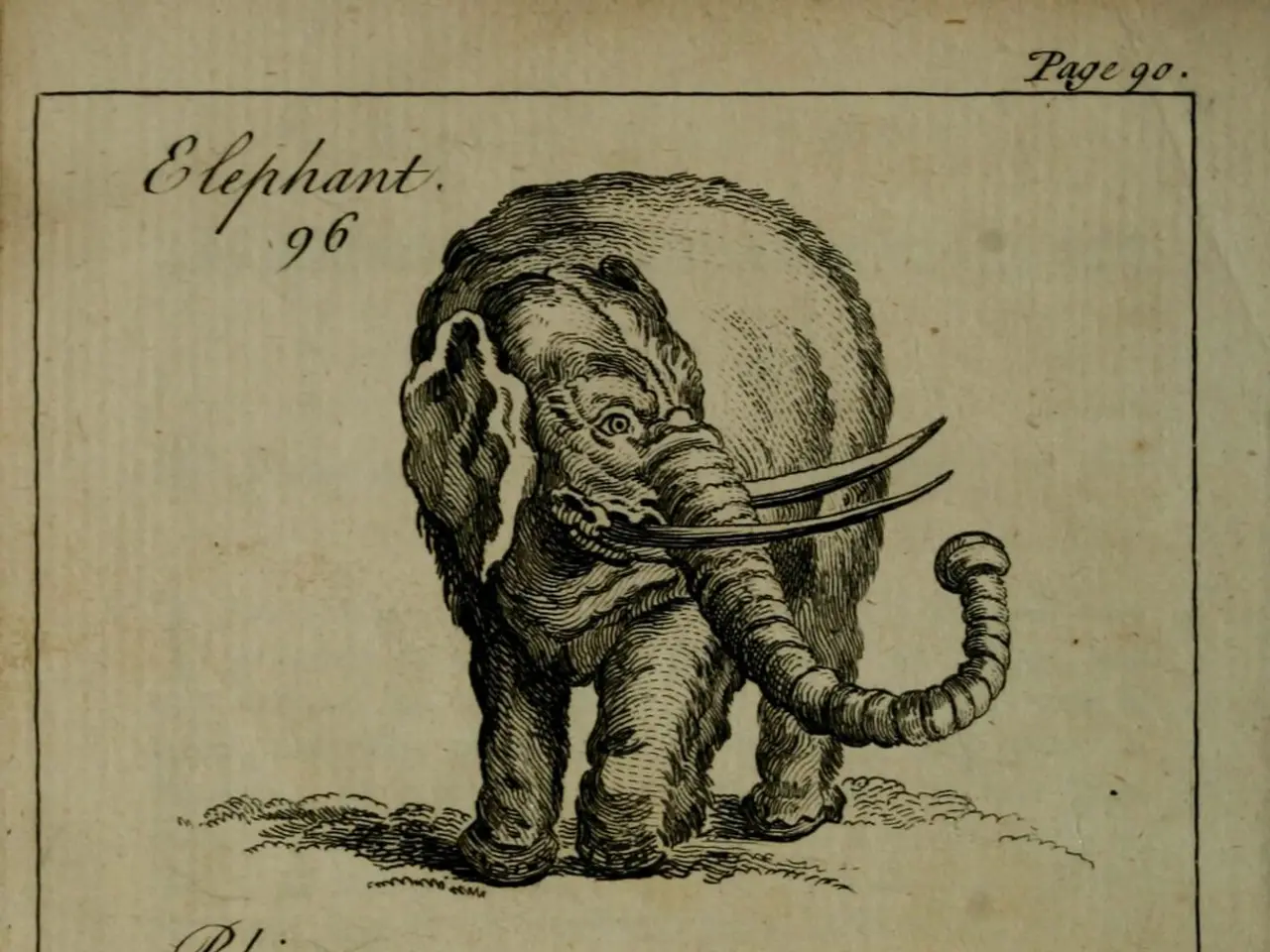
Canada has strengthened its stance against wildlife trafficking by banning the domestic trade of elephant ivory and rhino horn. The move also blocks imports of hunting trophies containing these parts. Officials say the decision reinforces a clear message: ivory belongs to elephants, not to traders or hunters. The new restrictions follow a seven-year campaign by Humane Society International/Canada. They build on Canada's 2017 ban on domestic and imported ivory and rhino horn, aligning with global efforts to shut down legal markets that often disguise illegal wildlife products.
Canada's Environment Minister, Steven Guilbeault, stated the measures aim to curb illegal trafficking and protect endangered species. The African elephant population has plummeted by 96% over the past century, with up to 25,000 still killed annually by poachers. The International Union for Conservation of Nature now lists African forest elephants as critically endangered. Dr. Winnie Kiiru, a Kenyan biologist, has seen firsthand how poaching and trophy hunting devastate elephant and rhino populations. Canada's ban adds to a growing wave of international action. The US (2016 and 2021), UK (2022), France (2018), and China (2017) have all introduced similar or stricter rules. Together, these policies shrink the estimated $20 billion annual black market in wildlife products.
The ban closes loopholes in Canada's earlier restrictions and targets trophy imports for the first time. By cutting off legal trade routes, authorities hope to make it harder for smugglers to launder illegal ivory and horn. The government's action reflects a broader push to end the global trade driving species toward extinction.