Burl Wood Transforms Modern Interiors With Timeless Elegance and Depth
A once-overlooked material is now taking centre stage in interior design. Burl wood, with its swirling grains and rich textures, has become a sought-after choice for homeowners and designers alike. This natural imperfection, formed when trees heal from injury or disease, is now prized for its unique beauty and character.
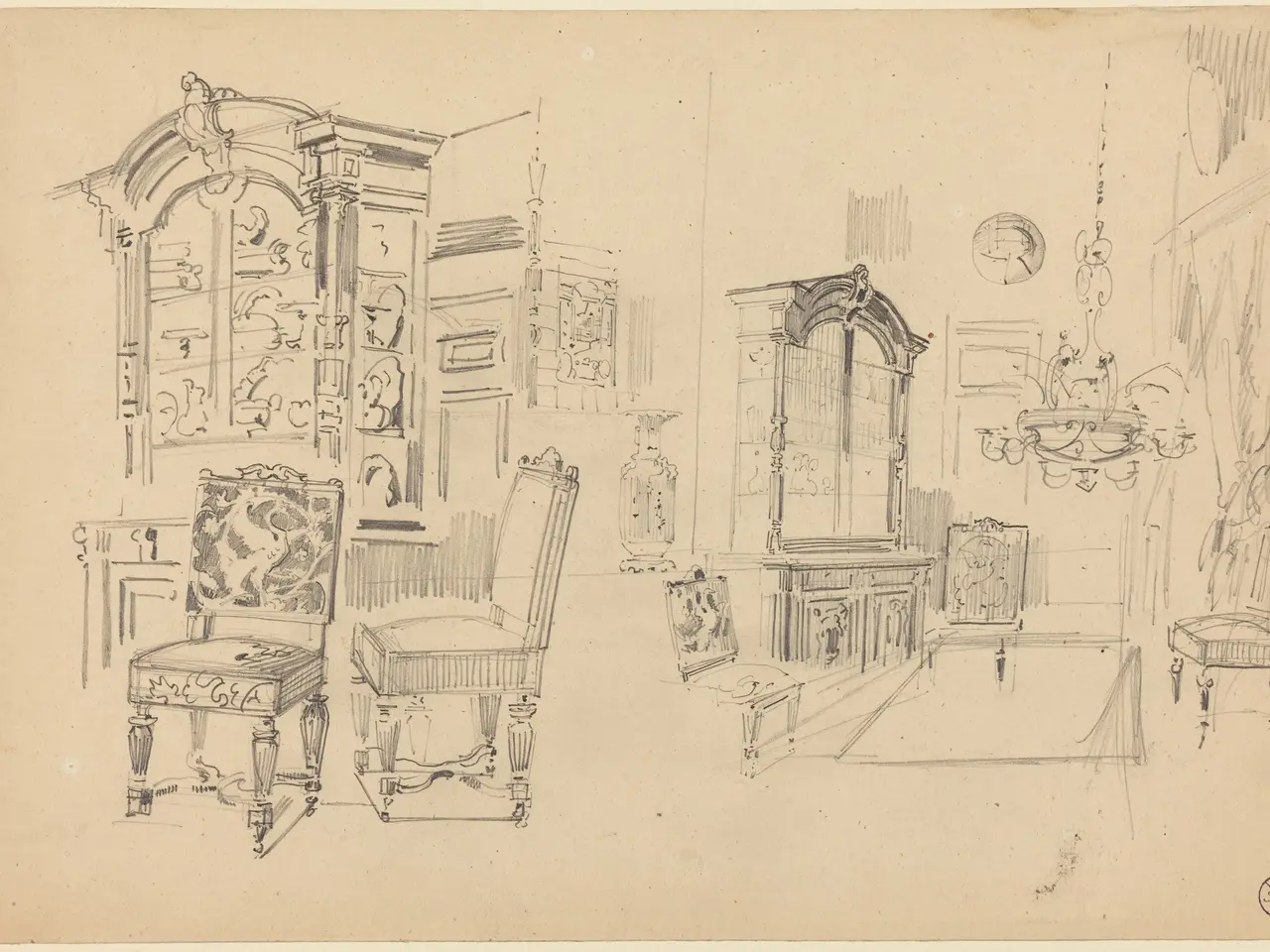
Burl wood has long been valued for its distinctive patterns, but its use in modern interiors has grown significantly in recent years. Traditionally, it was cut into thin veneers by precision machines, transforming flawed timber into luxurious surfaces for furniture, wall panelling, and statement pieces like tables or pedestals. However, its rarity and high cost once limited its appeal to only the most exclusive projects.
The rise of artificial burl veneers in the early 2010s changed this. These engineered alternatives offer the same intricate grain patterns at a fraction of the price, making the look more accessible. With consistent quality and scalability, they have allowed designers to incorporate burl wood into high-end spaces without the limitations of natural supply. Today, burl wood fits neatly into broader design trends. The return of Art Deco influences, with its bold geometries and rich materials, has given the material a fresh context. Meanwhile, a growing desire for personalised, handcrafted interiors has pushed people away from minimalist, neutral schemes. Designers now recommend using burl wood in two ways: either as a dramatic focal point or in subtle accents. Pairing it with clean lines or softer textures keeps the pattern from overwhelming a space, letting its natural depth stand out. Colour choices also play a key role. Lighter burl tones often suit warm neutrals or muted pastels, while darker varieties can anchor a room when matched with deep blues, greens, or even metallic finishes.
The shift towards burl wood reflects a wider move away from sterile, mass-produced interiors. Whether through natural pieces or high-quality artificial veneers, the material brings warmth and individuality to modern spaces. Its versatility ensures it can adapt to both bold and understated designs, making it a lasting feature in contemporary homes.
Read also:
- How America's Fast Food Habit Is Harming Long-Term Health
- Kent Construction Expo unites industry leaders for a decade of growth and innovation
- North Rhine-Westphalia's exports tumble 8.5% in June 2019 amid global demand slump
- Northern Ireland urged to repurpose roads for walkers and cyclists amid lockdown