Study: Fewer Accidents in Traffic-Calmed Neighborhood Blocks - Berlin's Kiezblocks slash accidents by 30%—but political roadblocks remain
A new study has found that Berlin's Kiezblocks—areas where through-traffic for cars is restricted—have cut accidents by nearly 30% since 2018. The research, commissioned by the Green Party, shows these traffic-calming zones also improved residents' sense of safety and reduced noise. Green Party leader Werner Graf is now pushing for a citywide expansion of the scheme, calling for better coordination and funding.
The study focused on existing Kiezblocks in Kreuzberg and Friedrichshain, including Bergmannstraße-Kiez, Graefekiez, and Samariterkiez. Between 2018 and 2024, accidents causing injuries in these zones fell by 29%, compared to just 9% across the rest of Berlin. The drop was even sharper for serious collisions.
Residents in the affected areas reported quieter streets and a stronger feeling of security. Most surveyed either backed the current measures or wanted them extended. However, last year, Transport Senator Ute Bonde (CDU) froze district funding for new Kiezblock plans, citing concerns over displaced traffic and stakeholder conflicts.
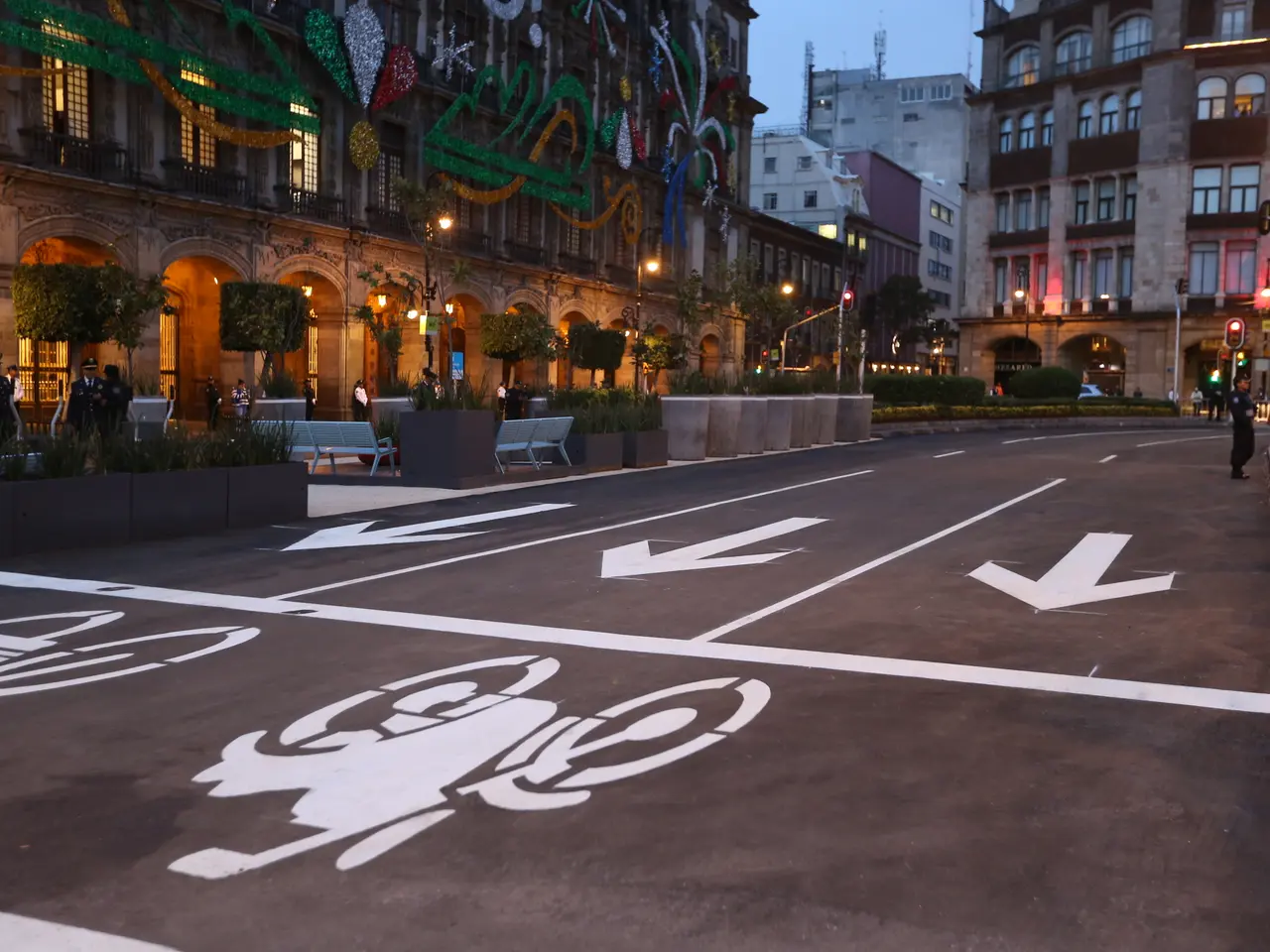
Despite the pause, concrete planning continues in Weddinger Maxstraße (Mitte district). The Kiezblock approach uses barriers, one-way systems, and bike-only streets to limit through-traffic. Yet political tensions remain between Bonde's office and local authorities over how to balance mobility needs with safety.
The study's findings highlight the effectiveness of Kiezblocks in reducing accidents and improving neighbourhood life. With strong resident support, the Green Party is urging the city to resume funding and expand the programme. The debate now centres on how to reconcile traffic flow with the proven benefits of these calming measures.