Alasdair MacIntyre, giant of ethical philosophy, dies at 95
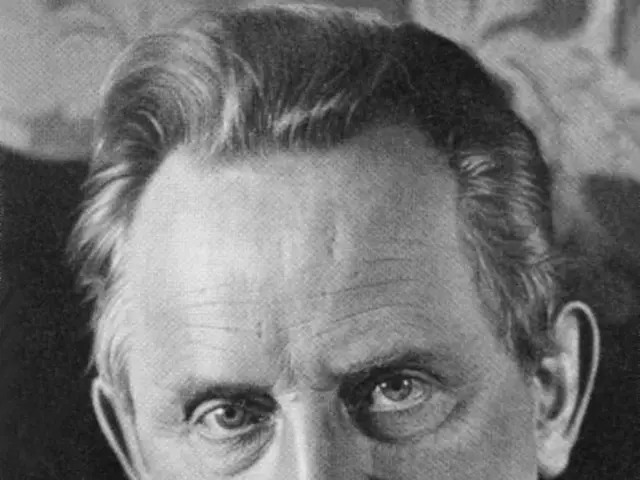
Alasdair Chalmers MacIntyre, a leading moral philosopher of the 20th century, has died at the age of 95. Known for his work on virtue ethics, he shaped modern debates on morality and human purpose. His influence extended far beyond academia, leaving a lasting mark on ethical thought.
MacIntyre was born in 1929 and became a prominent figure in philosophy through his rigorous study of ethical principles. In 1981, Newsweek called him 'one of the foremost moral philosophers in the English-speaking world.' That same year, he published After Virtue, a book that revived interest in ethical theories and went through three editions.
His approach was deeply practical. He argued that answering 'What am I to do?' required understanding one’s role in broader narratives—whether personal, cultural, or historical. A Catholic convert since 1983, he described himself as a 'Thomistic Aristotelian,' blending ancient philosophy with Christian thought. Over his career, MacIntyre taught at many top universities, including Oxford, Vanderbilt, and Duke. His final academic post was at the University of Notre Dame, where he held the title of Reverend John A. O’Brien Professor of Philosophy (emeritus). There, he also served as a permanent senior distinguished research fellow at the de Nicola Center for Ethics and Culture.
MacIntyre’s ideas will continue to shape ethical discussions, particularly at Notre Dame’s de Nicola Center. His work remains foundational in moral philosophy, with After Virtue still widely studied. The impact of his thinking endures in classrooms, research, and public debates about virtue and human flourishing.