AI Slashes Energy Costs in Offices While Boosting Renewables
A recent pilot project has shown how AI can improve energy management in non-residential buildings. The SET Hub Pilot 4 initiative tested an AI-based energy management system (AI-EMS) at a Fraunhofer IEE office site. The system successfully optimized energy use while cutting costs and supporting renewable integration.
The project focused on developing an AI-EMS using reinforcement learning. This approach allowed the system to balance cost efficiency, energy efficiency, and user comfort at the same time. A cloud-edge architecture was used to handle dynamic electricity tariffs and time-variable grid fees.
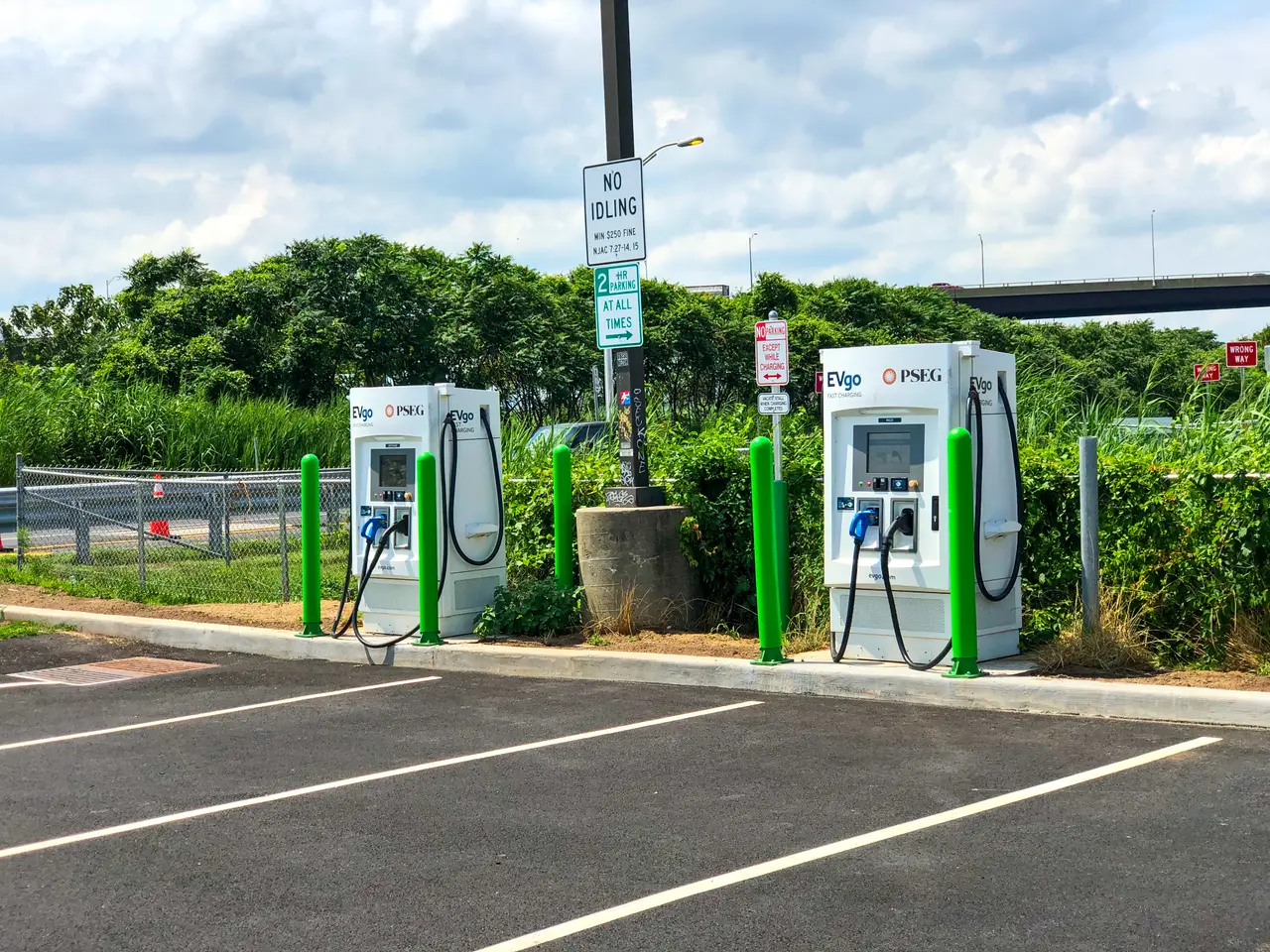
At the Fraunhofer IEE site, the AI-EMS managed a mix of assets, including EV charging points, a heat pump, and a photovoltaic (PV) system. An AI agent was specifically designed to optimize EV charging, aligning it with PV generation and cost-saving opportunities. The system also interfaced smoothly with the building's management controls.
Regulatory compliance was a key part of the testing. The AI-EMS followed § 14a of the German Energy Industry Act (EnWG), demonstrating grid-friendly control strategies. Stable communication infrastructure and open standards like EEBUS ensured reliable operation. Standardized interfaces allowed different devices and systems to work together without issues.
The final report highlighted new revenue possibilities for buildings. Dynamic pricing and flexibility monetization—through aggregators or virtual power plants—could create financial benefits. However, the project noted that wider adoption in the non-residential sector would require faster smart meter rollouts, fewer regulatory hurdles, and better integration of storage and building management systems.
The pilot confirmed that AI-driven energy management works well in complex, multi-sector energy systems. Reinforcement learning proved effective in optimizing costs, efficiency, and comfort simultaneously. For broader use, the report recommends policy changes, improved infrastructure, and deeper system integration.