A Virtual Eiffel Tower Rethinks Sustainability Through Digital Innovation
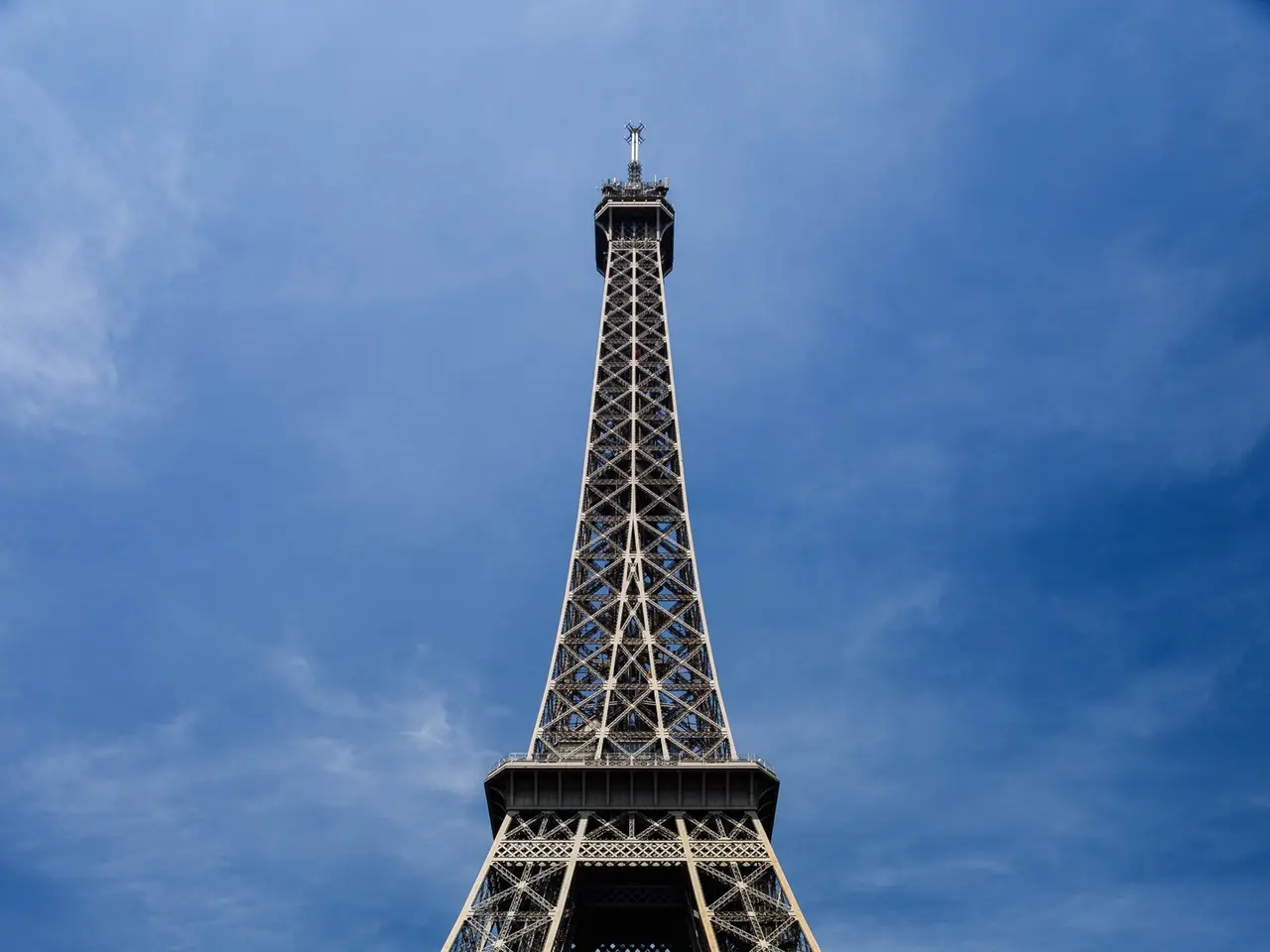
A digital reimagining of the Eiffel Tower has taken shape as part of a bold sustainability project. Dassault Systèmes led a team of experts to design a carbon-neutral, circular version of the iconic landmark using advanced virtual tools. The initiative falls under the company's Building Tomorrow programme, which explores how technology can drive eco-friendly innovation. The project centred on the 3DExperience platform, where engineers and architects built a detailed virtual twin of the tower. This model incorporated 18,038 trees, 5,500 square metres of winter gardens, and 200 experiential spaces filled with 451 plant species. Every element was analysed for sustainability, from shadow patterns to water needs, airflow, and heat distribution.
Architect Nicolas Laisné contributed a unique concept for the tower's foundation, ensuring alignment with circular-economy principles. Dassault Systèmes also applied its life-cycle assessment tool to measure the environmental impact at each construction stage. Real-time data from suppliers, builders, and designers fed into the virtual twin, demonstrating how digital tools can optimise sustainable practices. The team adopted the manufacturing industry's 'productization' approach, treating the tower's design as a modular, efficient process. While no physical changes to materials—like replacing the original wrought iron—were proposed, the project showcased how virtual planning could reduce carbon footprints in large-scale construction.
The reimagined Eiffel Tower serves as a proof of concept for low-carbon, circular design. By leveraging virtual twins and real-time analytics, the project highlights how technology can transform iconic structures into sustainable models. Dassault Systèmes' work suggests a future where digital innovation guides greener construction methods.