2026 Interior Design Trends Blend Nostalgia with Bold New Colors and Textures
The interior design trends for 2026 are taking shape, with a mix of nostalgia and bold new ideas. Experts predict a shift toward playful, textured spaces that blend past influences with fresh creativity. Luxurious fabrics, revived retro styles, and unexpected pops of color will dominate homes next year.
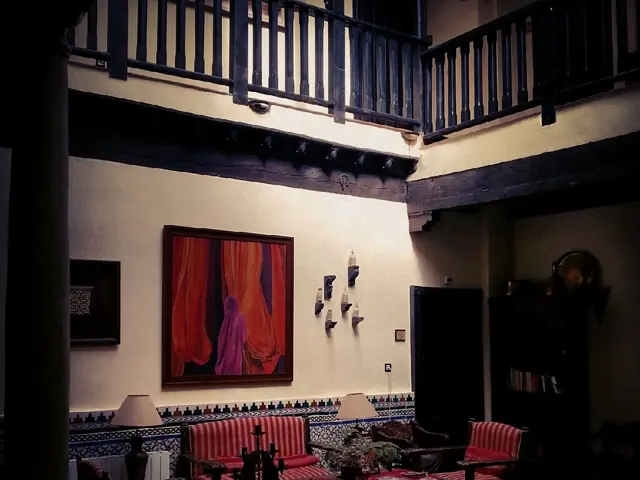
Designers are leading the charge with rich, tactile materials. Kathryn M. Ireland is at the forefront, championing sumptuous textiles like mohair, alpaca, and embroidered cashmere for sofas and chairs. Her work aligns with a broader push for warmth and depth in interiors. Meanwhile, Cortney Bishop and Jean Stoffer are also shaping trends—Bishop with spaces full of personality, Stoffer with layered patterns.
The early 2000s are making a return, too. Pristine white walls, like the ‘Cloud Dancer’ look, will pair with frosted glass, industrial lighting, and brushed steel. Slouchy sofas in white slipcovers add to the relaxed yet polished feel. Even four-poster beds, once seen as outdated, are set for a revival.
Color shifts are also on the horizon. Deep rust red will replace burgundy as the go-to rich hue. Philippe Starck’s Ghost Chair and quirky Alessi accessories will inject fun into rooms, reflecting a broader move toward joyful, expressive interiors. Nostalgia, a defining theme in 2025, has evolved into a neo-romantic style—softer, more sentimental, yet still modern.
Designers continue to act as explorers, reinterpreting old elements in fresh ways. This approach has roots in the early 20th century, when historicism first shaped the profession. Now, it’s driving everything from material choices to furniture silhouettes.
The 2026 trends point to a year of contrast—where plush textures meet sleek industrial touches, and bold colors sit beside nostalgic whites. Homes will feel both lived-in and carefully curated, with a focus on comfort and character. Whether through Starck’s iconic chairs or Ireland’s luxurious fabrics, the emphasis is on spaces that tell a story.